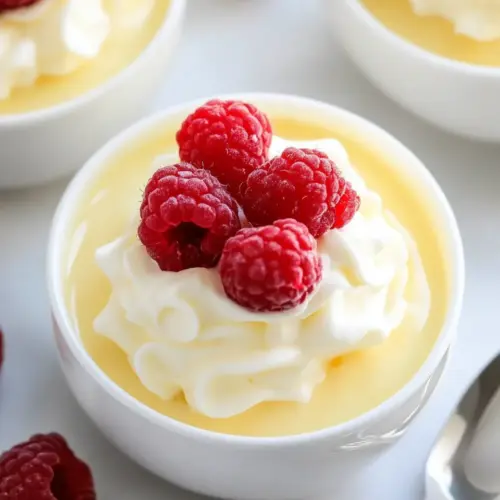
Sugar Free Pudding
The ultimate comfort dessert is here! This Sugar Free Pudding is creamy and rich without the added sugars, making it the perfect guilt-free indulgence. Try it tonight for a deliciously satisfying treat!
Equipment
- Frying Pan
- Whisk
- Large Pot
- Saucepan
- Mixing Bowl
Ingredients
- 1/4 cup + 2 tablespoons Allulose
- 2 tablespoons Cornstarch
- 1/4 teaspoon Salt
- 2 cups Milk
- 2 large Egg Yolks
- 2 tablespoons Butter
- 1 teaspoon Vanilla Extract
Instructions
- Start by gathering all your ingredients. In a small bowl, whisk together the allulose, cornstarch, and salt. This step is crucial as it ensures that the sweetener and thickener are evenly distributed.
- Next, transfer this mixture into a small saucepan and slowly whisk in the milk. Do this gradually to prevent lumps from forming, creating a smooth base for your pudding.
- Place the saucepan over medium heat. It’s important to keep stirring as you bring the mixture to a boil. The goal here is to help the cornstarch activate and thicken the pudding.
- Once it reaches a gentle boil, continue to whisk for 1 to 2 minutes. You’ll notice the pudding starting to thicken significantly. Keep an eye on it to avoid sticking or burning.
- Now, reduce the heat to low. Carefully scoop out half a cup of the hot mixture and add it to a bowl containing the whisked egg yolks. This technique tempers the yolks, preventing them from scrambling when added to the hot mixture.
- Whisk the yolk mixture thoroughly until combined. Then, pour this back into the saucepan with the rest of the pudding mixture. It’s essential to mix it well, as this is what gives the pudding its rich flavor and smooth texture.
- Allow the pudding to simmer on low heat for another 3 minutes. During this time, continue to stir gently to ensure it doesn’t stick to the bottom.
- Once thickened and creamy, remove the saucepan from the heat. Stir in the butter and vanilla extract until they are completely incorporated. This final touch elevates the flavor and creaminess of the pudding.
- Distribute the pudding mixture among 8 small ramekins or serving dishes. This portioning creates individual servings that are perfect for sharing.
- Finally, refrigerate the pudding for at least an hour. This chilling time allows it to firm up and develop its flavors, making the waiting worthwhile.
Notes
- Tip 1: I like using allulose because it dissolves exactly like sugar does. I don’t recommend monk fruit or stevia as they tend to crystalize once set.
- Tip 2: Store vanilla pudding in the refrigerator in an airtight container for up to two weeks.
- Tip 3: Place leftover pudding in single-serving containers and store in the freezer for up to six months.