
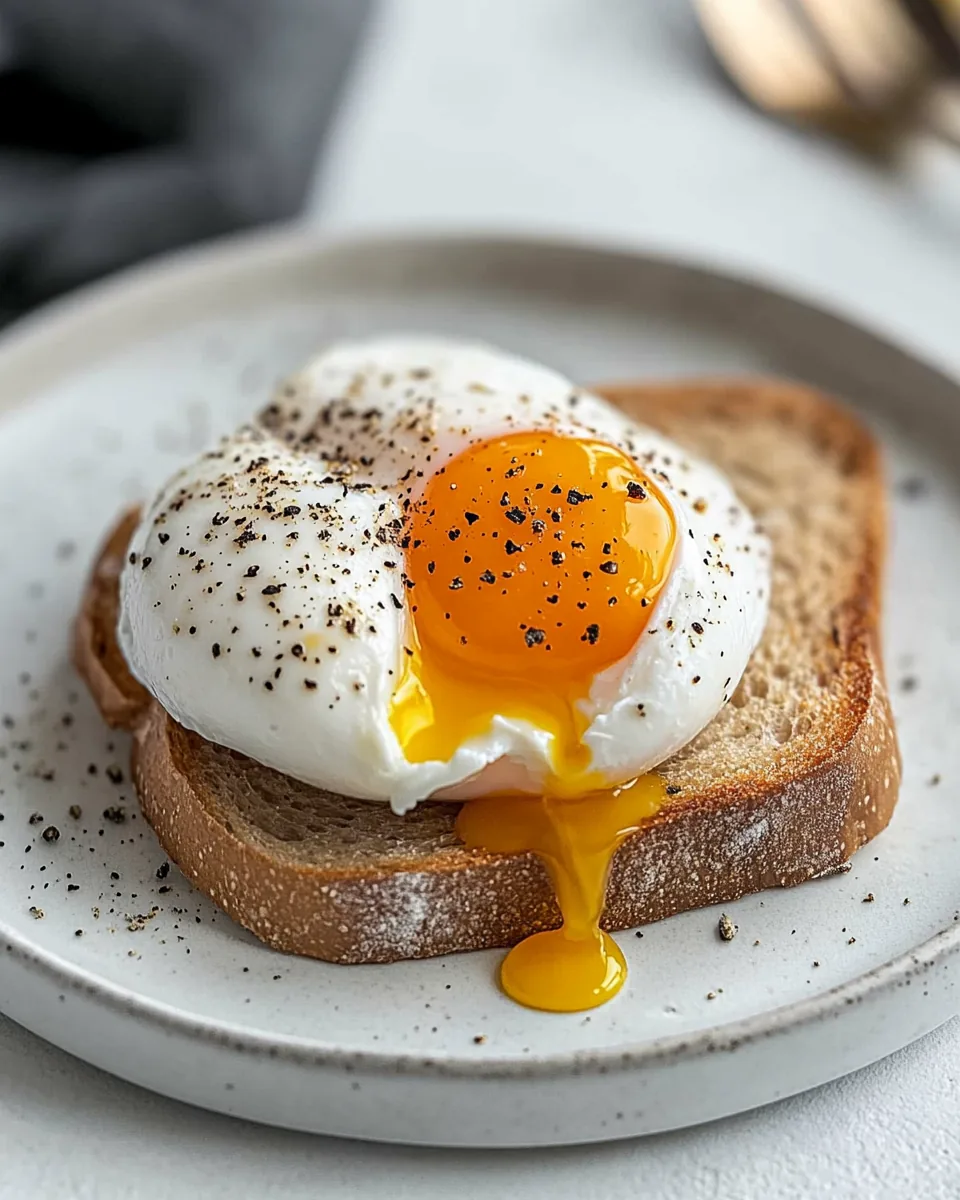
Poached Egg
There’s something so special about the perfect poached egg. I remember the first time I tried to make one; the anticipation of watching the egg swirl and settle in hot water was almost as exciting as the first bite! The moment the delicate white enveloped the golden yolk, I knew I had found a favorite breakfast dish. The way it pairs with toast, salads, or even a simple bowl of rice makes it incredibly versatile. It’s not just a meal; it’s a culinary technique that brings a touch of elegance to any dish. That’s why I’m thrilled to share how to master this skill with my recipe for Poached Egg.
Recipe Snapshot
5 mins
5 mins
0 mins
Medium
70 kcal
6 g
Keto, Paleo, Whole30
5 g
Wooden Spoon, Large Pot
The Best Thing About This Poached Egg
There are countless reasons to adore this simple yet refined dish. Here are my top favorites:
1. It’s Effortlessly Elegant
When you think of a classic breakfast, a perfectly poached egg stands out. The soft, silky texture looks impressive yet is surprisingly easy to recreate at home. Whether you’re hosting brunch or just treating yourself, there’s a sophisticated charm in serving a dish that looks so delicate.
2. Nutritionally Packed
Not only is a poached egg visually appealing, but it’s also a powerhouse of nutrition. Eggs are high in protein and packed with essential vitamins and minerals. I love how they can add creaminess to any dish without the need for heavy sauces or extra fats.
3. Perfectly Versatile
The beauty of a poached egg is its versatility. You can enjoy it over avocado toast for breakfast, on a salad for lunch, or even atop a rich pasta dish for dinner. It effortlessly elevates any meal!
4. Quick to Prepare
With just a few ingredients and a little time, you can whip up a delicious poached egg. It takes only about five minutes, making it perfect for a rushed morning or a leisurely weekend brunch.
5. A Skill Worth Mastering
Mastering the art of poaching eggs opens up a world of culinary possibilities. Once you’ve got the technique down, you can experiment with various flavors and dishes. Think of the joy you’ll feel as you impress friends and family with your culinary prowess!
6. A Great Meal Prep Option
Did you know you can poach eggs ahead of time? Cook them, store them properly, and they can be a quick addition to meals throughout the week. Just reheat them gently, and you’re good to go!
Ingredient List for Poached Egg

When it comes to poaching eggs, simplicity is key. The ingredients are few but essential: eggs and vinegar. The vinegar helps the egg whites coagulate quickly, resulting in a beautifully formed poached egg. Let’s break down these ingredients:
- 4 large eggs: Choose the freshest eggs you can find. Fresh eggs hold their shape better when poached, creating that pleasing look we all desire.
- 2 tablespoons white vinegar: Adding a bit of acid helps the egg whites firm up, ensuring a nice round shape without the wispy strands.
How to Assemble Poached Egg
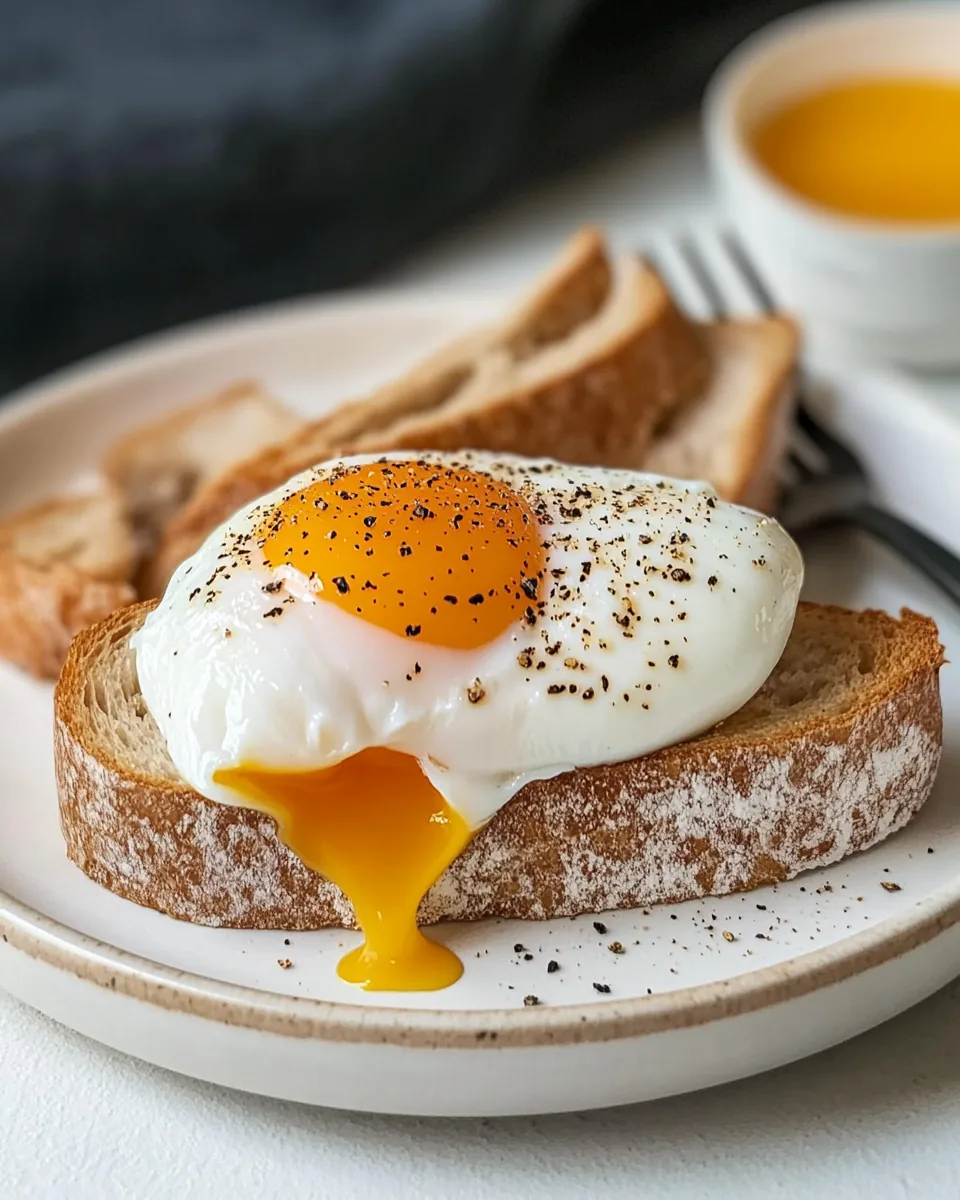
Poaching eggs might seem daunting, but with a few simple steps, it’s a breeze! Let’s dive into the process, and soon you’ll be making perfectly poached eggs every time.
- Start by filling a large pot with water and placing it over high heat. Bring the water to a boil—you want it bubbling, but not violently so. A light simmer is ideal for poaching.
- Once the water is boiling, reduce the heat to medium to maintain a gentle simmer. This is crucial as it keeps the water at the right temperature without agitating the eggs too much.
- Crack one egg into a small bowl. This will allow you to carefully drop it into the water without breaking the yolk.
- Add the vinegar to the simmering water. Stir the water in a circular motion to create a whirlpool effect. This helps the egg white wrap around the yolk, creating a nice shape.
- Gently slide the egg from the bowl into the center of the vortex. Take your time; you want it to land softly.
- Cook the egg for about 4 to 5 minutes. Keep an eye on it; the whites should be set, while the yolk remains runny.
- Once cooked, use a slotted spoon to remove the egg from the water. Place it on a plate lined with paper towels to absorb any excess water.
- Repeat the process with the remaining eggs. I usually do them one at a time for the best results, but you can try multiple if you’re feeling confident!
- Serve immediately for the best taste. Enjoy your perfectly poached eggs on toast, salads, or whatever you fancy.
Things Worth Knowing
- Poaching eggs requires a gentle simmer. A rolling boil can make the eggs break apart.
- Fresh eggs are best for poaching; they hold their shape better than older eggs.
- Adding salt to the water can make the eggs tough; stick with vinegar for the best results.
- Use a slotted spoon to remove eggs from water, allowing excess water to drain off.
Customization Ideas
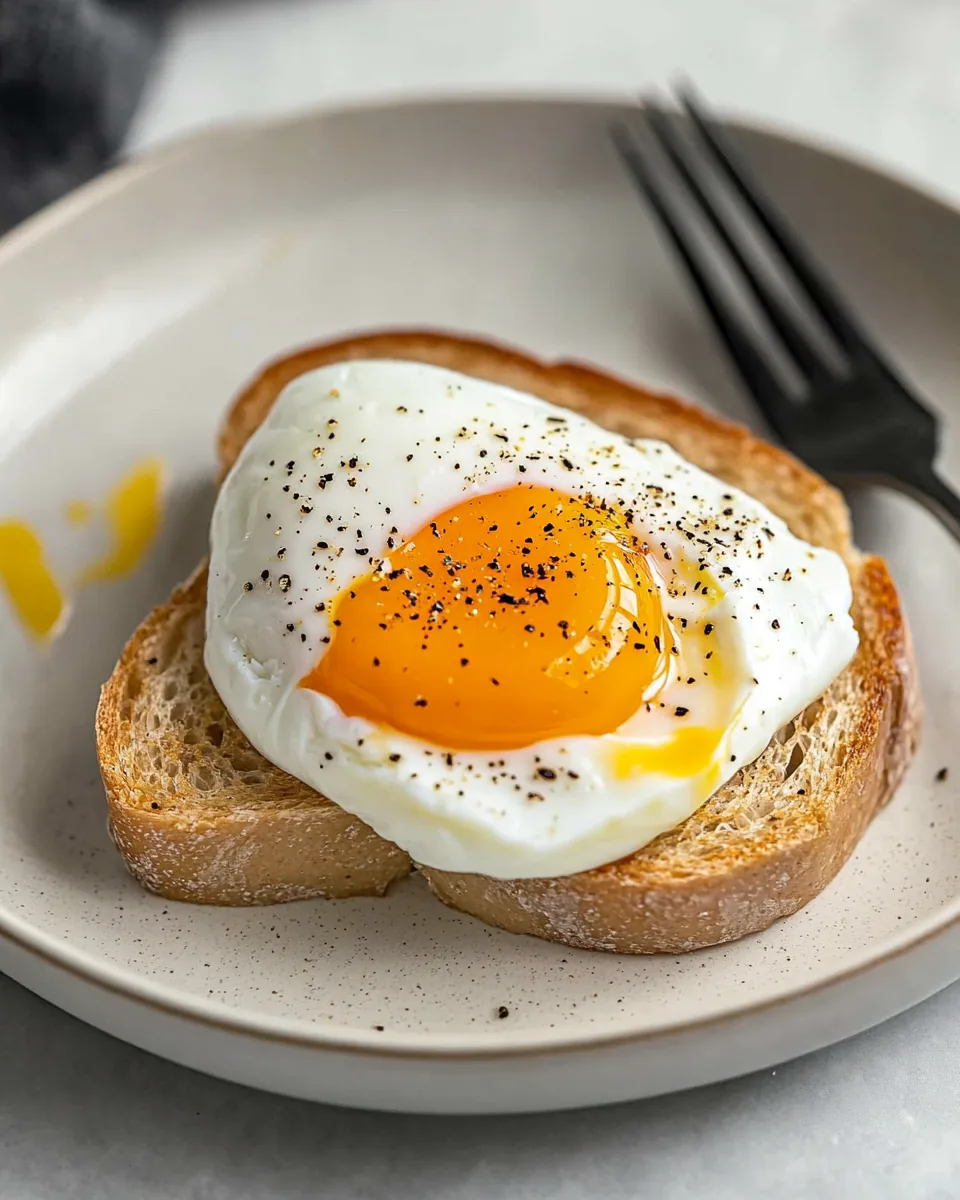
Your poached eggs can be just the beginning of your breakfast adventure! Here are some customization ideas to try:
- Top with fresh herbs: Consider sprinkling chopped chives or parsley over the top for a fresh touch.
- Spice it up: A pinch of red pepper flakes or smoked paprika can add a delightful kick.
- Pair with greens: Serve your poached egg on a bed of sautéed spinach or arugula for a nutritious boost.
- Make it a meal: Add your poached egg to a grain bowl with quinoa, roasted vegetables, and tahini dressing.
- Experiment with dips: Try serving with a hollandaise or a spicy sriracha mayo for added flavor.
- Different vinegars: While white vinegar is classic, experimenting with apple cider vinegar can add subtle flavor.
- Toasted bread: Serve on artisanal bread or a whole grain bagel for a satisfying crunch and extra fiber.
What Complements This Poached Egg
Wondering how to make the most of your poached egg? Here are some ideas for pairing:
- Avocado Toast: Spread smashed avocado on hearty bread and top with your poached egg for a delicious breakfast.
- Salad Toppers: Add poached eggs to salads for extra protein. They work especially well with spinach or mixed greens.
- Classic Eggs Benedict: Use your poached egg to make this indulgent brunch favorite by adding English muffins, ham, and hollandaise.
- Breakfast Bowls: Serve over a base of grains like quinoa or brown rice, topped with your choice of veggies.
- Brunch Buffets: Impress your guests by serving poached eggs alongside a variety of sides like smoked salmon, roasted tomatoes, and more.
- Seasonal Pairings: In spring, try pairing with fresh asparagus; in the fall, serve with roasted squash.
- Meal Prep: Make several poached eggs at once and refrigerate for quick meals during the week.
FAQ
Conclusion
This recipe for Poached Egg is a delightful way to elevate your breakfast or brunch experience. With just a few simple techniques, you’ll be able to whip up perfectly poached eggs that look stunning and taste incredible. I encourage you to give it a try; it’s easier than you think and adds a touch of elegance to so many meals!
Poached Egg
Equipment
- Wooden Spoon
- Large Pot
Ingredients
- 4 large Eggs
- 2 tablespoons White Vinegar
Instructions
- Start by filling a large pot with water and placing it over high heat. Bring the water to a boil—you want it bubbling, but not violently so. A light simmer is ideal for poaching.
- Once the water is boiling, reduce the heat to medium to maintain a gentle simmer. This is crucial as it keeps the water at the right temperature without agitating the eggs too much.
- Crack one egg into a small bowl. This will allow you to carefully drop it into the water without breaking the yolk.
- Add the vinegar to the simmering water. Stir the water in a circular motion to create a whirlpool effect. This helps the egg white wrap around the yolk, creating a nice shape.
- Gently slide the egg from the bowl into the center of the vortex. Take your time; you want it to land softly.
- Cook the egg for about 4 to 5 minutes. Keep an eye on it; the whites should be set, while the yolk remains runny.
- Once cooked, use a slotted spoon to remove the egg from the water. Place it on a plate lined with paper towels to absorb any excess water.
- Repeat the process with the remaining eggs. I usually do them one at a time for the best results, but you can try multiple if you’re feeling confident!
- Serve immediately for the best taste. Enjoy your perfectly poached eggs on toast, salads, or whatever you fancy.
Notes
- Storage: Store any leftovers in an airtight container in the refrigerator for up to three days.
- Freezing: It's not recommended to freeze poached eggs, as they can become watery upon thawing.
- Pairing: A poached egg pairs beautifully with avocado, toast, or a fresh salad.
- Variations: Experiment with different vinegars or add spices to the water for unique flavors.
- Meal Prep: Poach your eggs ahead of time and reheat in warm water for quick meals throughout the week.