Old Bay Seasoning
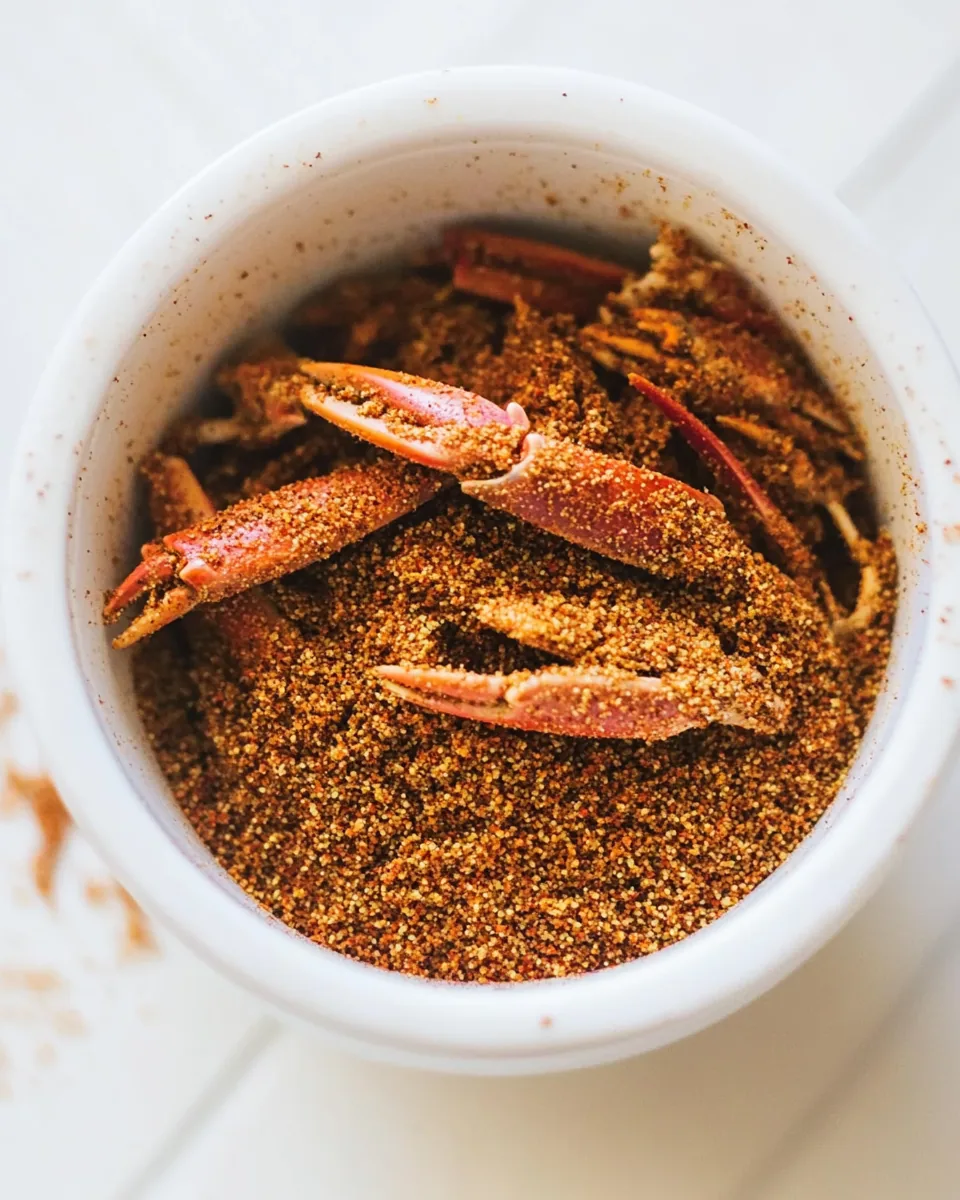
When it comes to creating dishes that pack a punch, nothing quite compares to the magic of Old Bay Seasoning. Growing up, my family had a love affair with this iconic blend, especially during summer seafood feasts by the water. The scent of the spices would waft through the air, promising a culinary adventure that excited everyone gathered around the table. I remember my father meticulously sprinkling it over freshly steamed crabs, the spices transforming the sweet meat into something truly extraordinary. That simple act of seasoning seemed to elevate our meals, turning ordinary gatherings into cherished memories.
As I began cooking on my own, Old Bay Seasoning became a staple in my kitchen. It’s not just about seafood; this seasoning can transform a variety of dishes, from roasted vegetables to popcorn. Its versatility is a constant reminder that the right spices can enhance flavors and bring a dish to life. Each ingredient in the mix has a purpose, and when combined, they create a symphony of taste that is hard to resist. Whether you’re preparing a casual meal or hosting a dinner party, incorporating Old Bay Seasoning into your cooking will surely impress your guests.
In the following sections, I’ll share my love for this seasoning, its key ingredients, and how you can easily make it at home. So let’s dive into the world of Old Bay Seasoning and discover how it can elevate your culinary creations!
Recipe Snapshot
5 mins
5 mins
0 mins
Easy
30 kcal
1 g
Keto, Paleo, Whole30
0 g
Cutting Board, Kitchen Knife
Why You Need This Old Bay Seasoning
It’s a Flavor Powerhouse
The combination of spices in Old Bay Seasoning creates a rich, aromatic experience that can brighten up any dish. I love how just a sprinkle can transform boring meals into flavorful sensations. It’s a little like magic in a jar!
Versatility at Its Best
While Old Bay Seasoning shines on seafood, it’s also incredible on chicken, vegetables, and even popcorn. I often use it to add flair to simple roasted potatoes, proving that this spice blend is as versatile as it is delicious.
Easy to Make
Making your own Old Bay Seasoning at home is not only satisfying, but it also allows you to control the ingredients. You can adjust the spice levels and tailor it to your taste. I find it a fun weekend project, and it’s a great way to bond with family!
Freshness Matters
The freshness of your spices significantly impacts the flavor. I’ve learned over the years that using high-quality, fresh spices makes all the difference. The robust flavor of Old Bay Seasoning comes from the quality of its components.
Perfect for Any Occasion
Whether it’s a summer cookout or a cozy winter dinner, Old Bay Seasoning fits any occasion. It’s a fantastic way to impress guests without putting in too much effort. Just a sprinkle can elevate your dish and your dining experience!
Celebrating Traditions
For many, Old Bay Seasoning is more than just a spice; it’s tied to memories and traditions. I love sharing recipes with friends that incorporate this seasoning, as it always sparks conversations about its unique history and our personal stories.
Key Ingredients for Old Bay Seasoning
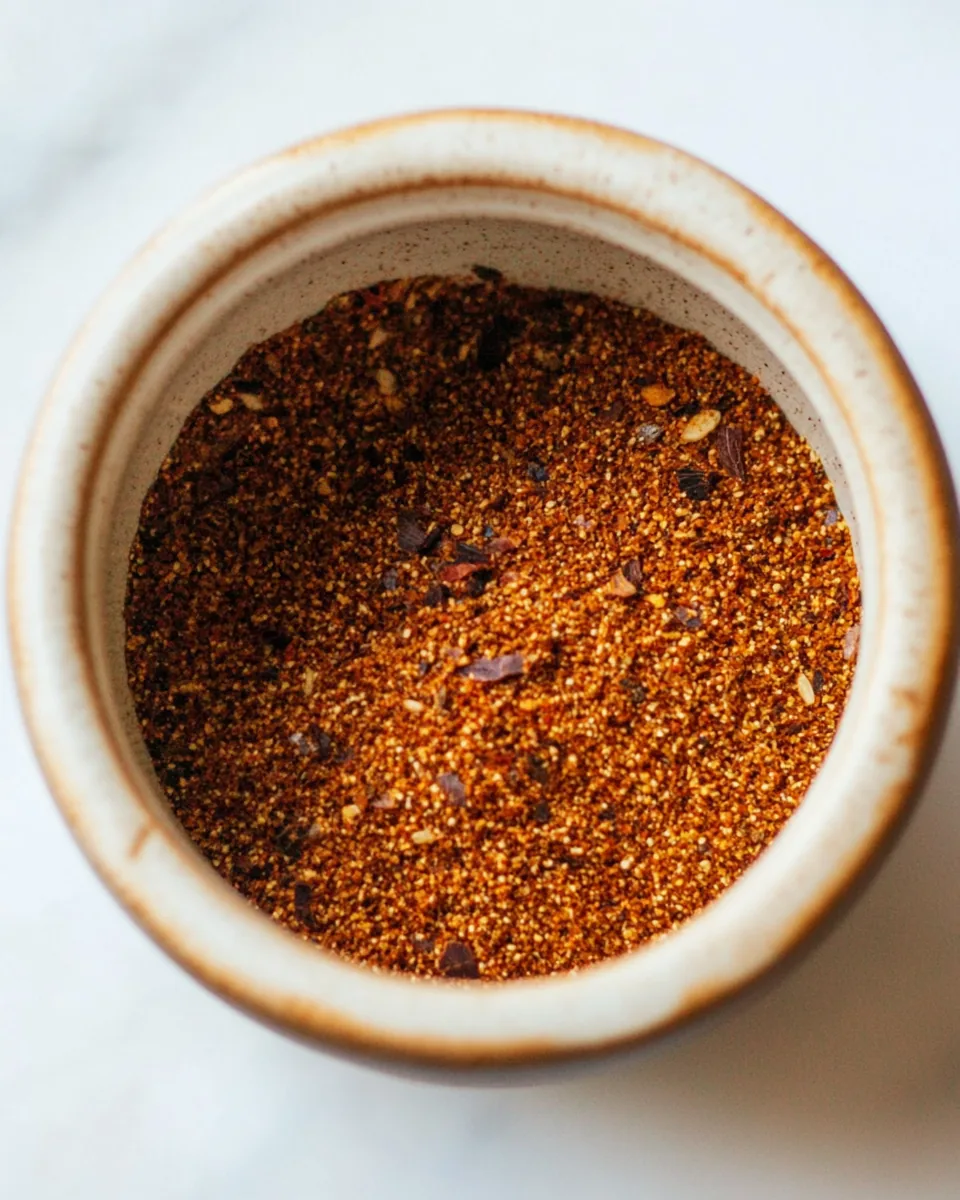
The ingredients that make up Old Bay Seasoning are as intriguing as the flavor profile they create. Each spice plays a crucial role, contributing to the whole. This blend harmonizes well, making it ideal for various dishes. Here’s a look at the key players:
- Celery Salt: A foundational component, it adds a savory, earthy flavor that’s essential to this seasoning.
- Paprika: This brings a mild sweetness and a beautiful color, enhancing both the appearance and flavor.
- Ground Dry Mustard: Adds a subtle tang that balances the mix, elevating the overall taste.
- Ground Black Pepper: It introduces a slight heat, providing depth and complexity to the blend.
- Cayenne: For those who like a kick, cayenne pepper offers a spicy zing that invigorates dishes.
- Ground Allspice: This spice adds warmth and a hint of sweetness, complementing the other flavors beautifully.
- Ground Cinnamon: A surprising player, it contributes depth and a touch of sweetness that rounds out the seasoning.
- Ground Nutmeg: Adds a warm, nutty flavor that enhances the richness of the seasoning.
- Ground Ginger: This spice introduces a subtle warmth and zest that brightens the blend.
Step by Step Instructions for Old Bay Seasoning
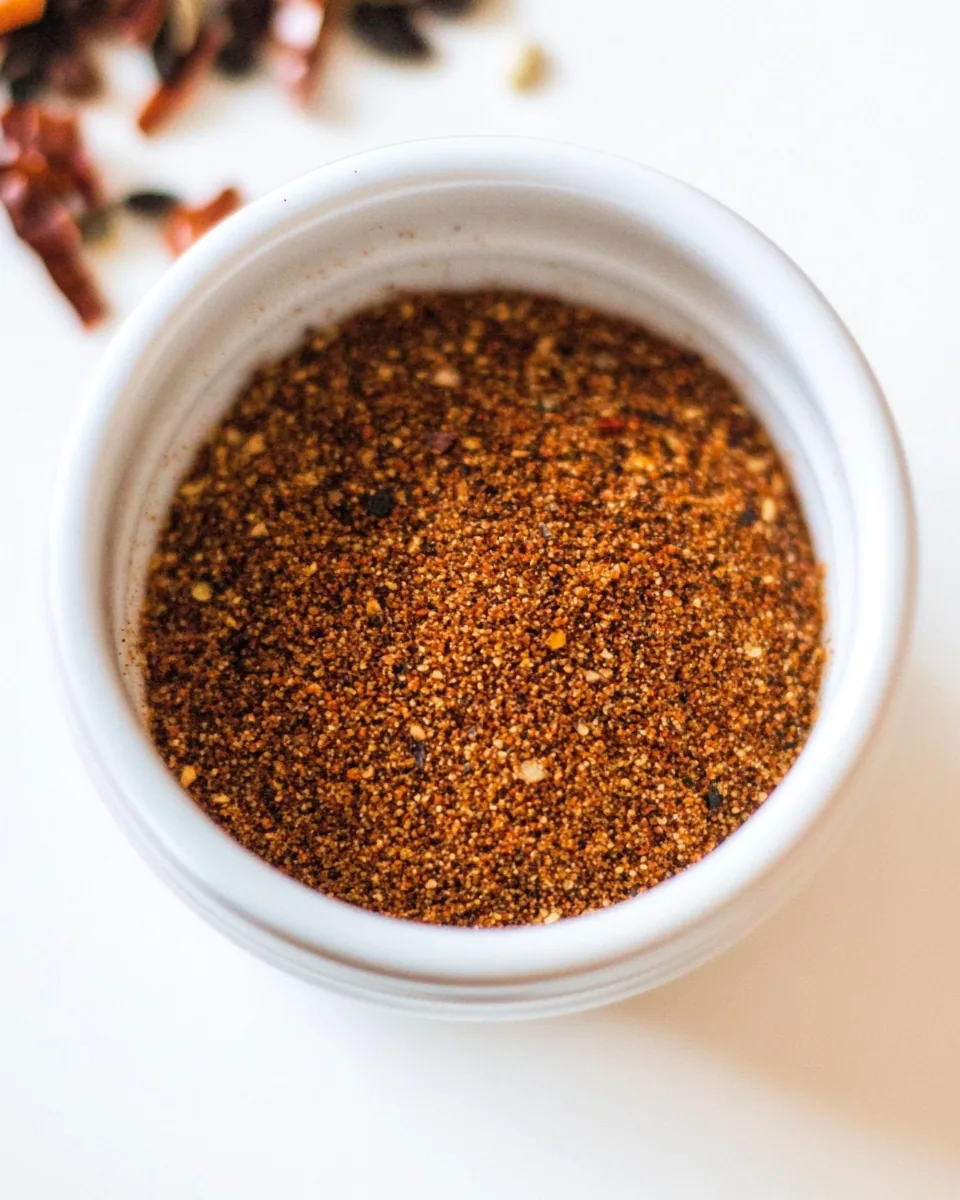
Creating your own Old Bay Seasoning is a straightforward process that’s both fun and rewarding. You’ll be amazed at how easy it is to blend these spices together for a homemade version that’s just as delicious as the store-bought kind. Here’s how to do it:
Gather all your ingredients: Start by collecting all the spices you’ll need to create your Old Bay Seasoning. This means having your celery salt, paprika, ground dry mustard, ground black pepper, cayenne, ground allspice, ground cinnamon, ground nutmeg, and ground ginger ready to go. Make sure they’re fresh for the best flavor!
Combine the spices: In a bowl, carefully measure out each of the spices according to your preferred proportions. I usually adjust mine for a bit more cayenne for added heat. Whisk them together until they are evenly blended.
Transfer to a jar: Once your spices are well mixed, it’s time to transfer this vibrant blend into a jar. I suggest using a glass jar with a tight lid to keep the seasoning fresh.
Store properly: To maintain the flavor of your Old Bay Seasoning, store it in a cool, dark place. A cupboard works great, which keeps it away from moisture and light.
Use as needed: Now that you have your homemade seasoning, it’s time to enjoy it! Sprinkle it on seafood, chicken, or vegetables to elevate every meal. You’ll find that just a dash can enhance the flavors brilliantly.
Perfect Matches for Old Bay Seasoning
Serving your homemade Old Bay Seasoning can be a delightful experience, as it pairs wonderfully with various dishes. Here’re some of my favorite ways to enjoy it:
- Seafood Dishes: This seasoning is perfect for crabs, shrimp, and fish. Try it on grilled fish tacos or classic crab cakes.
- Roasted Vegetables: Toss vegetables like potatoes, corn, or asparagus with Old Bay Seasoning before roasting for a delicious side dish.
- Popcorn: Add a sprinkle of Old Bay Seasoning to freshly popped popcorn for a unique snack that’s sure to impress.
- Chicken: It’s also fantastic on roasted or grilled chicken, enhancing the flavors and adding complexity.
- Soups and Stews: Use it to season your homemade soups and stews, providing a warm and inviting flavor profile.
- Sandwiches: Mix with mayonnaise for a zesty spread on sandwiches, elevating your lunch game.
FAQ
Conclusion
Incorporating Old Bay Seasoning into your cooking is a surefire way to elevate your meals with minimal effort. Its unique blend of spices enhances flavors and brings new life to everyday dishes. I encourage you to try making your own seasoning to experience the joy of cooking with fresh, vibrant flavors. Trust me, once you do, you’ll wonder how you ever cooked without it!
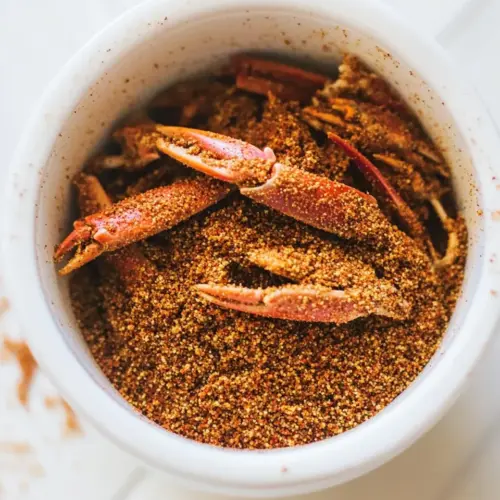
Old Bay Seasoning
Equipment
- Cutting Board
- Kitchen Knife
Ingredients
- 1 tablespoon Celery Salt
- 2 teaspoon Paprika
- 1 teaspoon Ground Dry Mustard
- 1 teaspoon Ground Black Pepper
- ¼ teaspoon Cayenne
- ¼ teaspoon Ground Allspice
- ¼ teaspoon Ground Cinnamon
- ¼ teaspoon Ground Nutmeg
- ¼ teaspoon Ground Ginger
Instructions
- Gather all your ingredients: Start by collecting all the spices you’ll need to create your Old Bay Seasoning. This means having your celery salt, paprika, ground dry mustard, ground black pepper, cayenne, ground allspice, ground cinnamon, ground nutmeg, and ground ginger ready to go. Make sure they’re fresh for the best flavor!
- Combine the spices: In a bowl, carefully measure out each of the spices according to your preferred proportions. I usually adjust mine for a bit more cayenne for added heat. Whisk them together until they are evenly blended.
- Transfer to a jar: Once your spices are well mixed, it’s time to transfer this vibrant blend into a jar. I suggest using a glass jar with a tight lid to keep the seasoning fresh.
- Store properly: To maintain the flavor of your Old Bay Seasoning, store it in a cool, dark place. A cupboard works great, which keeps it away from moisture and light.
- Use as needed: Now that you have your homemade seasoning, it’s time to enjoy it! Sprinkle it on seafood, chicken, or vegetables to elevate every meal. You’ll find that just a dash can enhance the flavors brilliantly.