
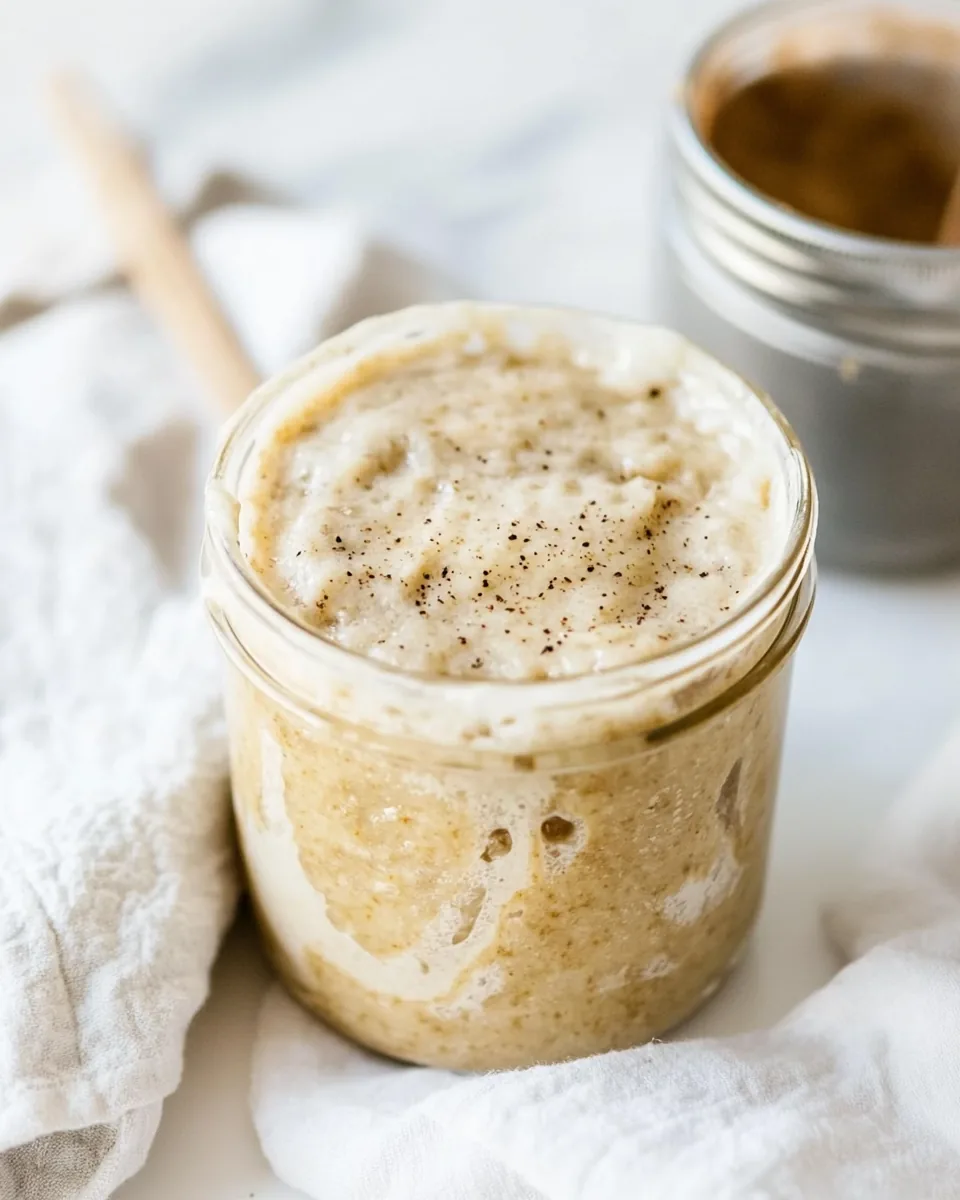
Sourdough Starter
When I first ventured into the world of baking, I was captivated by the magic of fermentation, particularly with my Sourdough Starter. It all began one cozy afternoon as I flipped through a cookbook and stumbled upon the idea of nurturing my own starter. The thought of creating something so alive and vibrant intrigued me. I envisioned the delightful aromas wafting through my kitchen as I prepared fresh bread, all thanks to my little jar of bubbling goodness. It’s not just a recipe; it’s a journey, a testament to patience and care. Each day brought excitement as I watched my starter transform, bubbling and growing, ready to be baked into a delicious loaf. This process has become a cherished routine in my home, and I’m excited to share my experiences with you.
Recipe Snapshot
5 mins
5 mins
0 mins
Medium
100 kcal
3 g
Vegan
0 g
Mixing Bowl
Why This Sourdough Starter Is So Good
It’s Alive!
The most magical aspect of making a Sourdough Starter is witnessing the transformation. From a simple mixture of flour and water, it evolves into a living culture. This fermentation process is not only fascinating but also incredibly rewarding. You’ll feel a sense of pride knowing that you created something so dynamic and essential for your baking journey.
Flavor Profile
Using a Sourdough Starter adds a depth of flavor that is simply unmatched. The natural tanginess enhances the taste of your bread and other baked goods, giving them a character that store-bought versions lack. As you feed your starter and watch it ferment, you’re fostering that unique flavor profile that will elevate your baking.
Health Benefits
Another reason I adore my Sourdough Starter is its health benefits. The fermentation process helps to break down gluten, making it easier for some people to digest. Additionally, the probiotics formed during fermentation can be beneficial for gut health. It’s a wholesome addition to your diet, providing not just nourishment but also a connection to traditional baking methods.
Endless Possibilities
Once you have your Sourdough Starter thriving, the possibilities are endless! From crusty loaves to fluffy pancakes, the uses are only limited by your imagination. You can experiment with different flours, hydration levels, and even add-ins like herbs or spices to create unique flavors.
Community Connection
Making a Sourdough Starter connects you to a community of bakers worldwide. There’s a shared understanding and camaraderie among those who cultivate their starters. It’s like being part of an exclusive club where everyone shares tips, tricks, and stories about their sourdough adventures.
Budget-Friendly Baking
Finally, a Sourdough Starter is an economical way to bake. Instead of purchasing expensive artisan bread, you can create your own at home using simple ingredients. Plus, it’s a fun and fulfilling activity that saves you money in the long run.
Ingredient List for Sourdough Starter
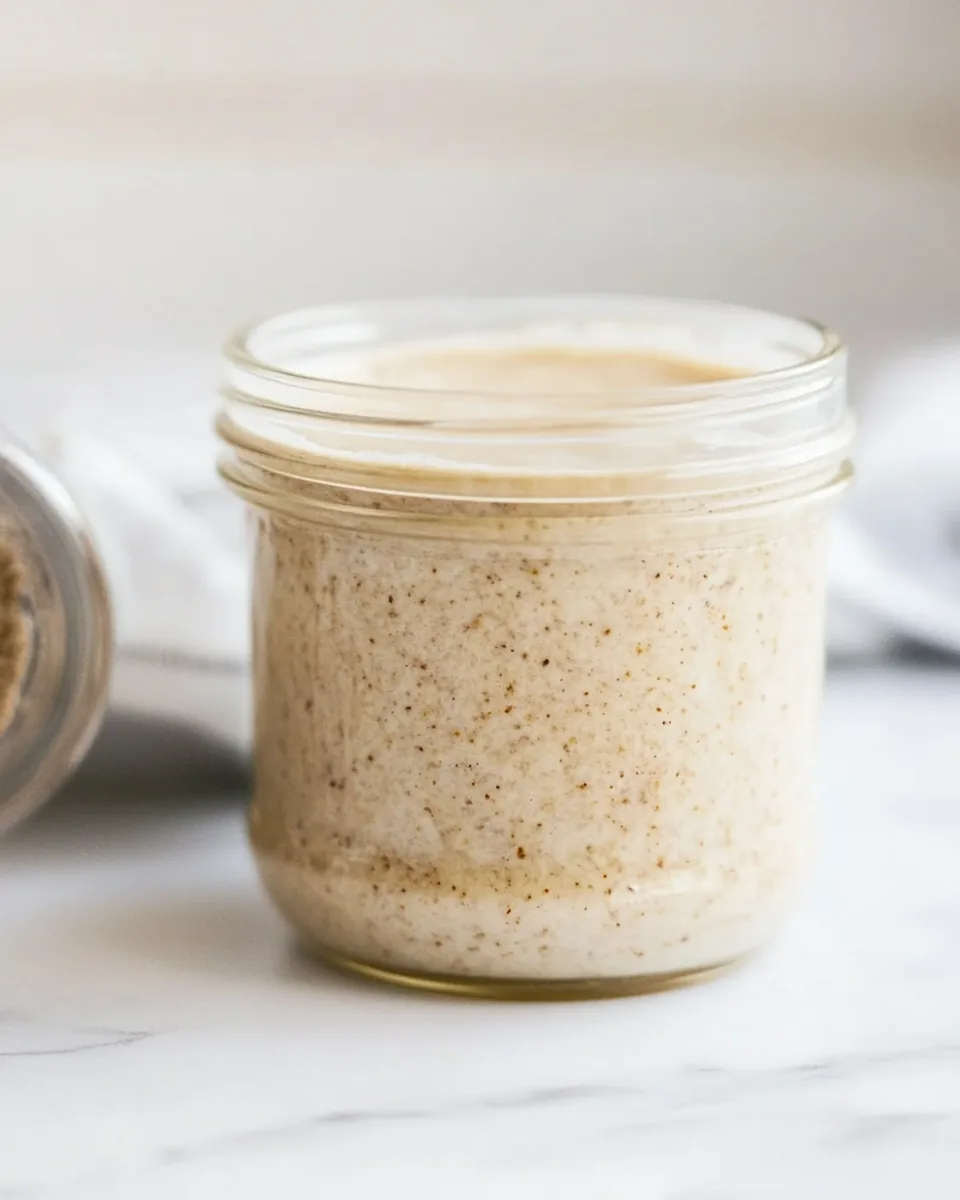
The ingredients for your Sourdough Starter are wonderfully simple yet effective. Each component plays a vital role in the fermentation process, ensuring that your starter thrives and develops its unique flavor. The key players here are warm water and whole wheat flour. The warm water hydrates the flour, while the whole wheat flour contains the natural yeast and bacteria necessary for fermentation.
- 1 Cup Warm water: This should be at a comfortable temperature, around 100°F, to promote yeast activity. Using warm water helps to kickstart the fermentation process, allowing your starter to become active quickly.
- 1 Cup Whole Wheat Flour: Whole wheat flour is packed with nutrients that feed the yeast. This flour helps create a bubbly and active starter, rich in flavor. If you can, try to use organic whole wheat flour for even better results.
Sourdough Starter Instructions
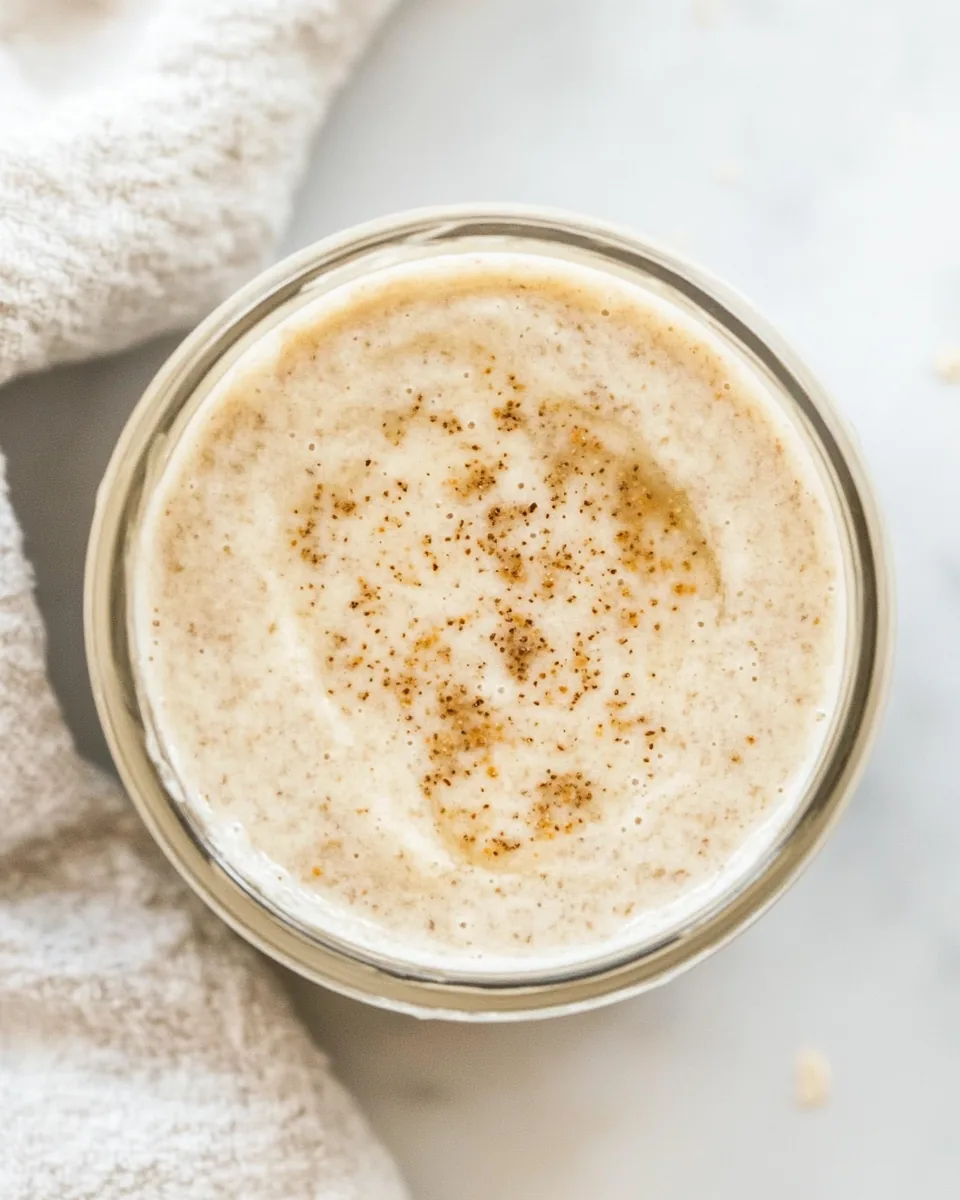
Making a Sourdough Starter is a simple yet rewarding process. Here’s how to get started with your own.
- In a quart-sized jar, add 1 cup of whole wheat flour. This will be the base of your starter, providing the necessary nutrients for yeast growth.
- Add 1 cup of warm water to the flour in the jar. Make sure the water is warm but not hot, as too much heat can kill the yeast.
- Mix the flour and water together until you have a smooth paste. This should not be too thick or too runny; aim for a pancake batter consistency.
- Screw the lid tightly on the jar and set it aside on your kitchen counter for 24 to 48 hours. During this time, the mixture will begin to ferment and develop bubbles.
- After about 24 hours, check for bubbling activity. If you see small bubbles forming, that means your starter is on the right track! If it hasn’t bubbled yet, give it more time.
- Once bubbling is observed, it’s time to feed your starter. Discard all but half a cup of the starter mixture from the jar.
- Add in ½ cup of whole wheat flour and ½ cup of warm water to the remaining starter. Mix well until smooth.
- Screw the lid back on and set the jar aside again for another 24 hours. Repeat this feeding process once a day.
- If your starter is bubbling up more quickly, consider feeding it twice a day instead of once.
- Continue this process for six days. On the sixth day, when your starter is active and bubbly, you can use it in your sourdough bread. Instead of discarding half, simply remove half and set it aside for your baking.
Things Worth Knowing
- Feeding Frequency: If your starter is bubbling, you may need to feed it more frequently. Twice daily feeding can boost its activity.
- Storage: If you’re not using your starter frequently, store it in the fridge. This slows down fermentation and requires less frequent feeding.
- Bubbling Indicator: Look for bubbles as a sign that your starter is active. The more bubbles, the healthier your starter is.
- Hooch Formation: If you notice a layer of dark liquid forming on top, it’s called hooch. It can be mixed back in or poured off before feeding.
Helpful Notes about Sourdough Starter
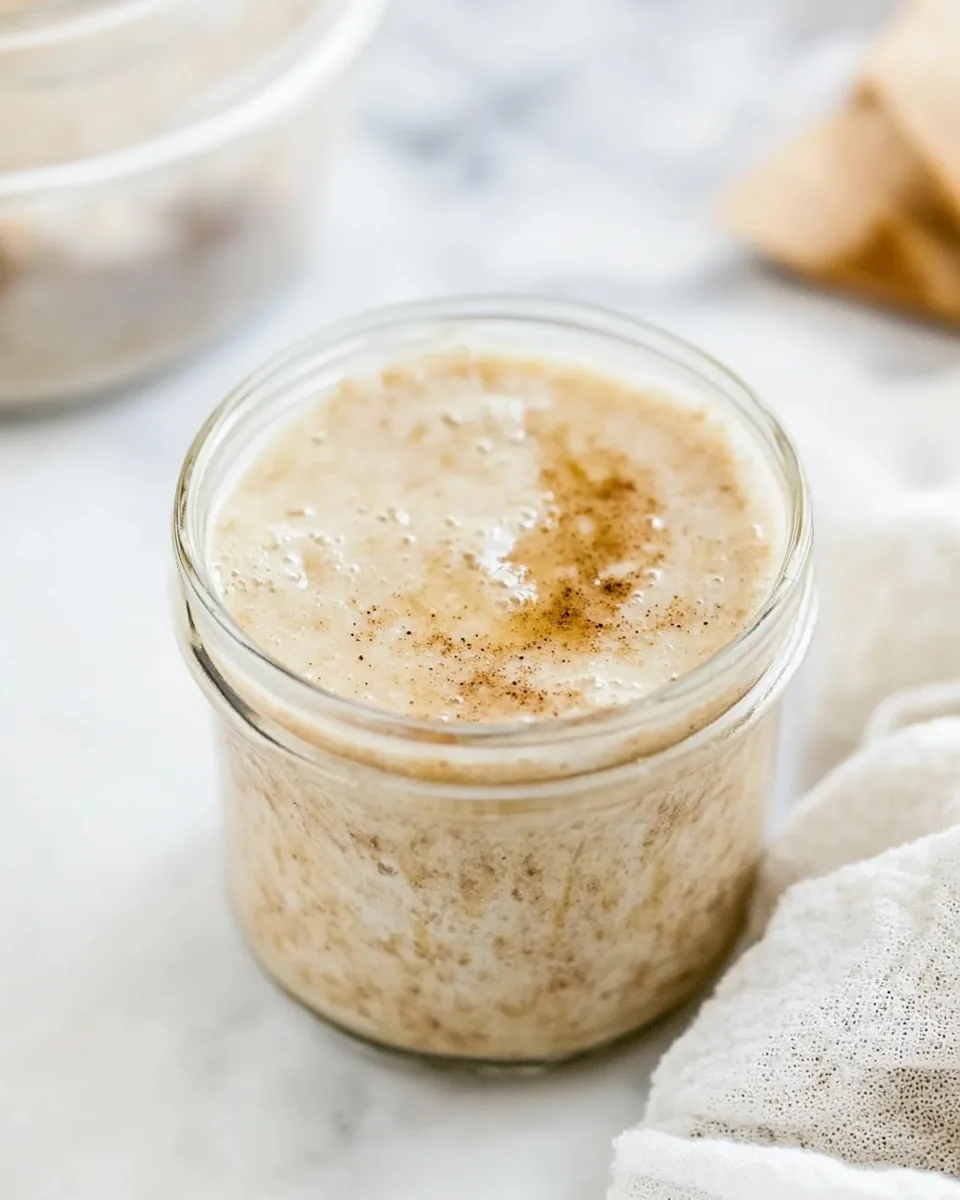
Creating a Sourdough Starter can be an exciting adventure. Here are some helpful tips to ensure your success:
- Storage: Keep your starter in a cool, dark place if not used regularly. This helps maintain its health.
- Feeding Ratio: Maintain a 1:1:1 ratio of starter, flour, and water when feeding.
- Temperature: Ideal room temperature for fermentation is around 70°F to 75°F.
- Signs of Readiness: Your starter is ready to use when it doubles in size and is consistently bubbly.
- Maintenance: If stored in the fridge, remember to let it come to room temp before feeding.
- Use Fresh Flour: Always use fresh flour for feeding to maintain the starter’s strength.
What Complements This Sourdough Starter
There are endless possibilities for how to enjoy your Sourdough Starter. Here are ideas for serving and uses:
- Homemade Sourdough Bread: The primary use for your starter is to bake delicious sourdough bread. It creates a perfect crust and chewy texture.
- Pancakes: Use your starter to whip up fluffy sourdough pancakes that add a delightful tang to your breakfast.
- Pizza Dough: Incorporate your starter into homemade pizza dough for a unique flavor that elevates your pizza night.
- Flatbreads: Create flavorful flatbreads or focaccia that pair perfectly with soups and salads.
- Storage: If you have leftover starter, you can refrigerate it and use it within a week or feed it before using.
- Seasonal Uses: Create special items like sourdough stuffing for Thanksgiving or pancakes for a cozy winter breakfast.
FAQ
Conclusion
The Sourdough Starter is not just a recipe; it’s a journey into the art of baking. It invites you to engage with your food in a way that is both creative and rewarding. I encourage you to embark on this adventure and watch as your kitchen transforms with the delightful aromas and textures of homemade bread. You won’t regret taking the time to cultivate your own starter, and who knows? You might just discover a new passion for baking!

Sourdough Starter
Equipment
- Mixing Bowl
Ingredients
- 1 cup Warm water
- 1 cup Whole wheat flour
Instructions
- In a quart-sized jar, add 1 cup of whole wheat flour. This will be the base of your starter, providing the necessary nutrients for yeast growth.
- Add 1 cup of warm water to the flour in the jar. Make sure the water is warm but not hot, as too much heat can kill the yeast.
- Mix the flour and water together until you have a smooth paste. This should not be too thick or too runny; aim for a pancake batter consistency.
- Screw the lid tightly on the jar and set it aside on your kitchen counter for 24 to 48 hours. During this time, the mixture will begin to ferment and develop bubbles.
- After about 24 hours, check for bubbling activity. If you see small bubbles forming, that means your starter is on the right track! If it hasn’t bubbled yet, give it more time.
- Once bubbling is observed, it’s time to feed your starter. Discard all but half a cup of the starter mixture from the jar.
- Add in ½ cup of whole wheat flour and ½ cup of warm water to the remaining starter. Mix well until smooth.
- Screw the lid back on and set the jar aside again for another 24 hours. Repeat this feeding process once a day.
- If your starter is bubbling up more quickly, consider feeding it twice a day instead of once.
- Continue this process for six days. On the sixth day, when your starter is active and bubbly, you can use it in your sourdough bread. Instead of discarding half, simply remove half and set it aside for your baking.
Notes
- If you don’t have whole wheat flour: you can use all-purpose flour. It may not get as bubbly as it would with whole wheat flour, but it will work!
- If you’re using your starter less often: you can keep it in the fridge instead of on the countertop. Having it in the fridge will slow the fermentation process so you will only have to feed it once every week or so.
- If you forget about it: it can be reactivated even after a couple of months of neglect. The longer it sits in the fridge, the more dark liquid may form on top of it. This is called hooch and can be mixed back in or poured out before you feed it.
- Be sure to let the starter come to room temp: before feeding and then allow it to sit on the counter for 12 hours or so until you return it to the fridge.
- If you would like to increase the amount of starter you have: first make sure your jar is big enough to allow it to double in size and then mix equal parts starter, flour, and water.