

Sourdough Bread Pudding
The moment I discovered Sourdough Bread Pudding, it felt like a warm embrace on a chilly winter evening. I was rummaging through my pantry, searching for a way to utilize some leftover sourdough bread. As I tore the bread into cubes, memories of cozy family gatherings flooded my mind. There’s something magical about turning simple ingredients into a comforting dessert that evokes feelings of nostalgia. With the rich aroma of heavy cream blending with sweet sugar and the subtle hint of vanilla, I knew this dish would be a hit.
As I prepared to bake this delightful treat, I couldn’t help but think about how perfect it is for two. It’s an ideal dessert for quiet nights, whether you’re snuggling on the couch or enjoying a candlelit dinner. Plus, the golden-brown top, slightly crisp yet soft underneath, makes it a feast for both the eyes and the palate. Every bite of Sourdough Bread Pudding transports me to that cozy kitchen, filled with laughter and love. This recipe is not just about food; it’s about creating memories that linger, much like the delicious flavors in this dish.
Recipe Snapshot
1 hr 15 mins
15 mins
60 mins
Medium
360 kcal
6 g
Gluten-Free, Low FODMAP
25 g
Wooden Spoon, Mixing Bowl, Baking Sheet
Why You Need This Sourdough Bread Pudding
Versatility
One of the reasons I adore Sourdough Bread Pudding is its versatility. You can whip it up with basic ingredients yet elevate it to a gourmet experience with a few tweaks. Want to add a hint of spice? A dash of cinnamon or nutmeg does wonders. Feeling adventurous? Try incorporating fruits like apples or berries to brighten the dish.
Easy to Make
This recipe is incredibly simple, making it perfect for beginners or those who want a quick dessert. The steps are straightforward, and it requires minimal effort. All you need to do is gather your ingredients, mix, and let the oven work its magic. It’s a great way to impress guests without spending hours in the kitchen.
Rich Flavor
Each spoonful of Sourdough Bread Pudding is bursting with flavor. The combination of heavy cream, sweet sugar, and warm bread creates a custardy texture that’s rich and satisfying. It’s not just dessert; it’s an experience that resonates with the heart. Each bite is a reminder of home-cooked meals and family bonding.
Perfect for Any Occasion
Whether it’s a holiday gathering, a cozy date night, or a simple weeknight treat, Sourdough Bread Pudding fits every occasion. Its comforting nature makes it a go-to dessert for all seasons, particularly during the winter months when we crave warmth and sweetness.
Minimal Waste
In today’s world, minimizing food waste is important. This recipe allows you to repurpose stale bread into something delectable. Instead of tossing out that leftover sourdough, transform it into a delicious dessert that everyone will love.
Community and Sharing
Finally, there’s something inherently communal about sharing a dish like Sourdough Bread Pudding. It’s a recipe I love to pass on, sharing it with friends and family, discussing variations and personal touches. It’s not just about the food; it’s about coming together, creating connections, and celebrating life’s little moments.
Main Ingredients for Sourdough Bread Pudding

The ingredients for Sourdough Bread Pudding are a harmonious blend that brings this dish to life. Each component plays a vital role, creating a comforting and satisfying dessert. The key players, such as heavy cream and sourdough bread, work together to create a rich custard base, while the eggs help bind everything, ensuring each bite is luscious.
- Heavy Cream: The star of this recipe, it adds richness and depth, giving the pudding its creamy texture.
- Sourdough Bread Cubes: Stale bread is perfect for this recipe. It absorbs the custard beautifully while providing a unique tangy flavor.
- Sugar: Sweetness is essential to balance the richness of the cream and enhance the overall flavor.
- Vanilla Extract (optional): While optional, it adds a lovely aromatic touch that elevates the taste profile.
- Egg: Helps to set the pudding, providing structure and creaminess.
- Cooking Spray or Melted Butter: Used to grease the baking dish, ensuring the pudding doesn’t stick.
The Process for Making Sourdough Bread Pudding
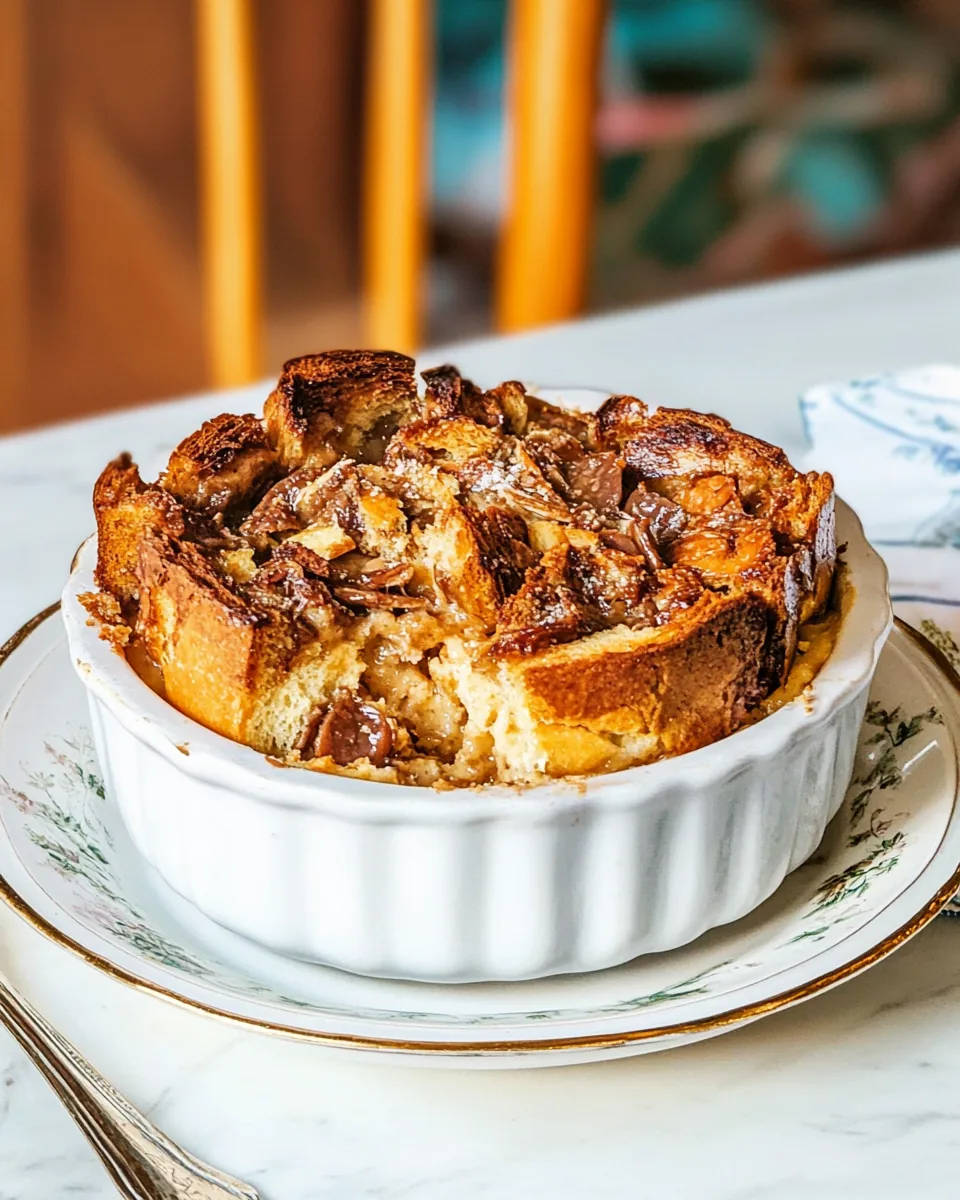
Making Sourdough Bread Pudding is as enjoyable as it is rewarding. Follow these steps to create a dish that will warm your heart and home. Let’s get started!
- Start by prepping your baking dish. Grease it generously with cooking spray or melted butter to prevent your pudding from sticking. This ensures that when the pudding is ready, it’ll come out easily for serving. Set it aside for now.
- Next, take your sourdough bread and cut it into cubes. This step is crucial because the size of the cubes affects the texture of your pudding. Aim for about one-inch pieces. Spread them out on a baking sheet and toast them in the oven at low heat until they’re just dry to the touch. This will help the bread absorb the custard mixture without becoming soggy.
- Once the bread cubes are ready, let them cool to room temperature. This is important because adding hot bread to the custard can cook the eggs prematurely, leading to a scrambled texture instead of a smooth custard.
- In a large mixing bowl, combine your heavy cream with the cooled bread cubes. Make sure to pour enough cream to soak the bread thoroughly. The richness of the cream will impart a beautiful flavor and texture to your pudding.
- Add the beaten egg, sugar, and optional vanilla extract to the bowl. Stir everything together gently. You want to ensure that all the ingredients are well combined without breaking the bread cubes too much. The mixture should have a creamy consistency with the bread cubes evenly distributed.
- Pour the mixture into the prepared baking dish. Be sure to spread it out evenly. You can gently press down on the bread cubes to ensure they’re fully submerged in the custard mixture.
- For an extra touch of sweetness, sprinkle a little more sugar on top of the pudding. This will create a lovely caramelized crust as it bakes, adding a delightful crunch to each bite.
- Preheat your oven to 350°F (175°C) if you haven’t already done so. Once the oven is ready, place your baking dish inside and let it bake for about an hour. As it cooks, the top should turn golden brown and the custard should be slightly jiggly in the center when done.
- After an hour, check your pudding. If the top is a deep golden brown and the edges look set, it’s time to take it out. Let it cool for a few minutes before serving, which will help the texture firm up a bit more.
- Finally, serve your Sourdough Bread Pudding warm, perhaps with a scoop of ice cream or a drizzle of cream for an extra indulgent treat!
Things Worth Knowing
- Don’t rush the toasting step: Properly toasting the bread cubes helps them hold their shape and prevents the pudding from becoming overly soggy.
- Temperature matters: Allow the bread to cool before combining it with the custard mixture to ensure a smooth final product.
- Check for doneness: Every oven is different, so keep an eye on your pudding. It’s ready when the edges are set and the center is slightly jiggly.
- Experiment with flavors: Feel free to add different spices or fruits to the custard mixture for a unique twist on this classic dish.
Change It Up

There are countless ways to customize your Sourdough Bread Pudding to suit your taste. Here are some of my favorite tips for variations:
- Add seasonal fruits: Fresh or dried fruits like apples, pears, or raisins can add a delightful twist and enhance the pudding’s flavor.
- Spice it up: Incorporating spices such as cinnamon, nutmeg, or even a hint of cardamom can elevate the flavor profile.
- Nutty additions: Chopped nuts like pecans or walnuts can provide a lovely crunch and depth to the pudding.
- Gluten-free option: Substitute sourdough bread with a gluten-free loaf to make this dessert suitable for gluten-intolerant guests.
- Serving suggestions: Pair the pudding with a scoop of vanilla ice cream, whipped cream, or even a drizzle of caramel sauce for added indulgence.
What to Serve With Sourdough Bread Pudding
When it comes to serving Sourdough Bread Pudding, there are numerous delightful options to consider. Here are some ideas:
- Ice Cream: A scoop of vanilla or caramel ice cream on top adds a creamy contrast to the warm pudding.
- Whipped Cream: Light and airy, whipped cream makes a perfect topping, enhancing the overall experience.
- Coffee or Tea: Serve with a cup of coffee or tea for a comforting dessert experience, making it perfect for after dinner.
- Fruit Compote: A side of berry or apple compote not only adds color but also a refreshing tartness to balance the sweetness of the pudding.
- Seasonal Occasions: This dish is fantastic for gatherings, holidays, or cozy evenings spent at home during winter. It’s perfect for celebrations like Christmas when rich flavors are cherished.
- Leftover Treats: Store any leftovers in the refrigerator, and reheat them for a quick breakfast or snack the next day.
FAQ
Conclusion
In conclusion, Sourdough Bread Pudding is a heartwarming dessert that beautifully combines simplicity and flavor. With its comforting texture and rich taste, it has the power to evoke memories and bring people together. I encourage you to try this recipe and create your own cherished moments around the table. After all, dessert is often where the sweetest stories are shared, so don’t hesitate to indulge in this delightful treat.

Sourdough Bread Pudding
Equipment
- Wooden Spoon
- Mixing Bowl
- Baking Sheet
Ingredients
- 1 cup Heavy Cream
- 1 cup Sourdough Bread Cubes
- 1 tablespoon Sugar
- ½ teaspoon Vanilla Extract (optional)
- 1 large Egg beaten well
- 1 tablespoon Cooking Spray or Melted Butter
Instructions
- Start by prepping your baking dish. Grease it generously with cooking spray or melted butter to prevent your pudding from sticking. This ensures that when the pudding is ready, it’ll come out easily for serving. Set it aside for now.
- Next, take your sourdough bread and cut it into cubes. This step is crucial because the size of the cubes affects the texture of your pudding. Aim for about one-inch pieces. Spread them out on a baking sheet and toast them in the oven at low heat until they’re just dry to the touch. This will help the bread absorb the custard mixture without becoming soggy.
- Once the bread cubes are ready, let them cool to room temperature. This is important because adding hot bread to the custard can cook the eggs prematurely, leading to a scrambled texture instead of a smooth custard.
- In a large mixing bowl, combine your heavy cream with the cooled bread cubes. Make sure to pour enough cream to soak the bread thoroughly. The richness of the cream will impart a beautiful flavor and texture to your pudding.
- Add the beaten egg, sugar, and optional vanilla extract to the bowl. Stir everything together gently. You want to ensure that all the ingredients are well combined without breaking the bread cubes too much. The mixture should have a creamy consistency with the bread cubes evenly distributed.
- Pour the mixture into the prepared baking dish. Be sure to spread it out evenly. You can gently press down on the bread cubes to ensure they’re fully submerged in the custard mixture.
- For an extra touch of sweetness, sprinkle a little more sugar on top of the pudding. This will create a lovely caramelized crust as it bakes, adding a delightful crunch to each bite.
- Preheat your oven to 350°F (175°C) if you haven’t already done so. Once the oven is ready, place your baking dish inside and let it bake for about an hour. As it cooks, the top should turn golden brown and the custard should be slightly jiggly in the center when done.
- After an hour, check your pudding. If the top is a deep golden brown and the edges look set, it’s time to take it out. Let it cool for a few minutes before serving, which will help the texture firm up a bit more.
- Finally, serve your Sourdough Bread Pudding warm, perhaps with a scoop of ice cream or a drizzle of cream for an extra indulgent treat!
Notes
- Don’t rush the toasting step: Properly toasting the bread cubes helps them hold their shape and prevents the pudding from becoming overly soggy.
- Temperature matters: Allow the bread to cool before combining it with the custard mixture to ensure a smooth final product.
- Check for doneness: Every oven is different, so keep an eye on your pudding. It’s ready when the edges are set and the center is slightly jiggly.
- Experiment with flavors: Feel free to add different spices or fruits to the custard mixture for a unique twist on this classic dish.