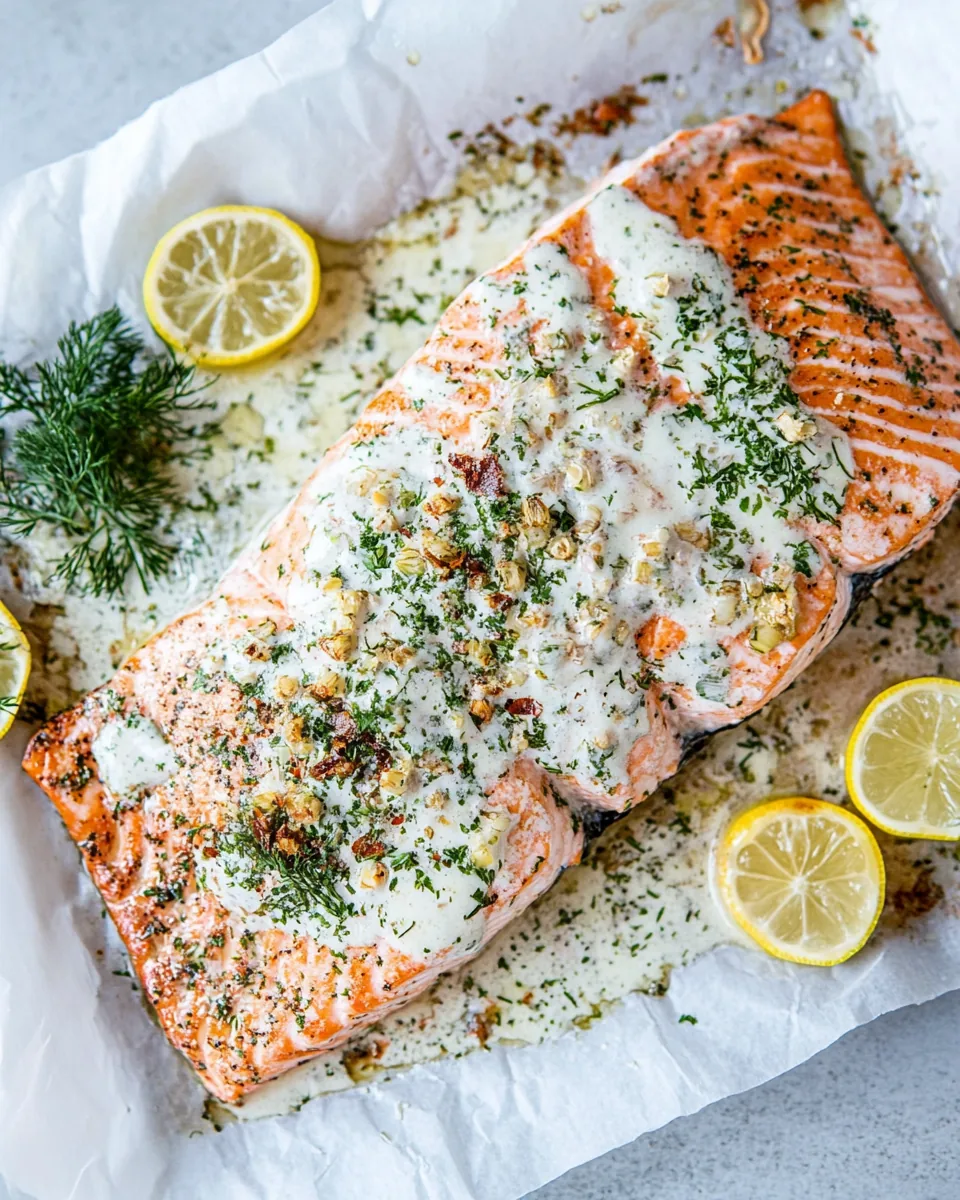
Slow Roasted Salmon
There’s something incredibly comforting about a beautifully cooked piece of fish, and that’s where my love for Slow Roasted Salmon truly shines. Many years ago, I remember hosting a dinner for some dear friends, all of whom were food enthusiasts. I wanted to impress them with a dish that not only showcased my culinary skills but also would make the evening unforgettable. As I prepared the salmon, the aroma of fresh dill and lemon filled the kitchen, creating an atmosphere of warmth that was reflected in our joyous conversations. The crispy skin, moist flesh, and vibrant sauce transformed an ordinary evening into a gourmet experience that my friends still reminisce about. Each bite was a reminder that good food brings people together, and that’s what I treasure most. I’m thrilled to share this Slow Roasted Salmon recipe with you, hoping it becomes part of your treasured moments as well.
Recipe Snapshot
55 mins
10 mins
45 mins
Medium
350 kcal
38 g
Keto, Gluten-Free, Low FODMAP
20 g
sheet pan
What You’ll Enjoy About This Slow Roasted Salmon
Flavor Beyond Expectations
The Slow Roasted Salmon is not just about cooking fish; it’s an experience in flavor. The combination of sour cream, Dijon mustard, and fresh dill creates a creamy sauce that complements the salmon perfectly. The tanginess cuts through the richness of the fish, ensuring a balanced bite every time.
Perfectly Moist and Flaky
The slow roasting technique allows the salmon to cook evenly, retaining its moisture and tenderness. Unlike other cooking methods that may dry out the fish, this method results in a flaky texture that melts in your mouth. Trust me, it’s hard to go back once you’ve tried it!
Simple Yet Elegant
This recipe might look fancy, but it’s surprisingly easy to prepare. With just a few pantry staples and minimal effort, you’ll impress your guests and family alike. It’s the perfect dish for both casual weeknight dinners and special occasions.
Great for Any Season
As mentioned, this dish works all year round. Whether you’re serving a light summer meal or a cozy winter dinner, Slow Roasted Salmon fits right in, making it a versatile choice for any menu.
Health Benefits
Lastly, salmon is packed with omega-3 fatty acids, which are great for heart health. Not only is this dish delicious, but it’s also good for you! It’s always nice to indulge in something that tastes great and offers health benefits.
Ingredients for Slow Roasted Salmon
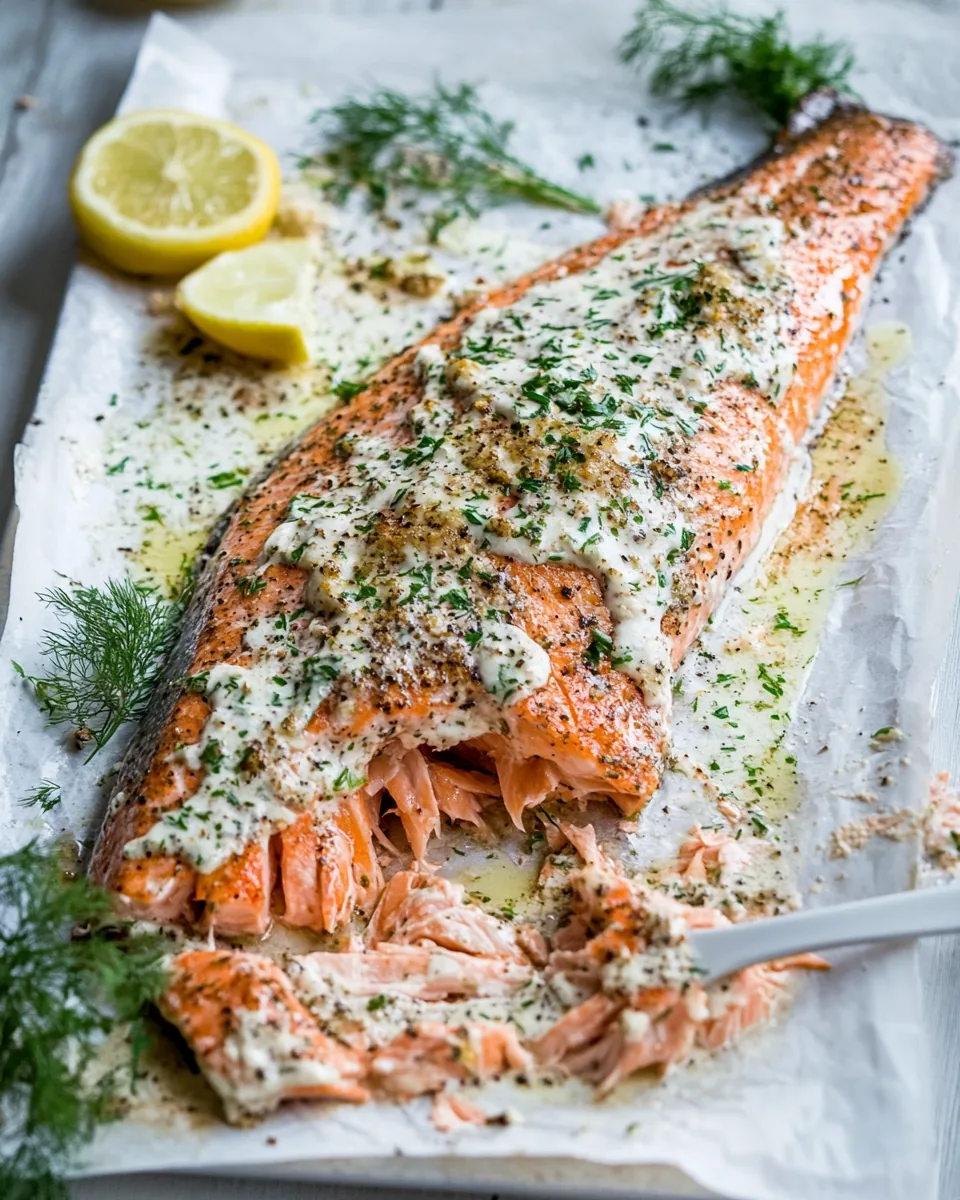
When it comes to making the best Slow Roasted Salmon, quality ingredients are key. Each component plays an essential role in creating a harmonious flavor profile. The ingredients work together to enhance the natural taste of the salmon while adding layers of flavor through the sauce. Here’s what you’ll need:
- 12-pound whole wild salmon filet, with skin, at least 1 1/4 inches thick – This is the star of the show, offering rich flavors and tender texture.
- 1/3 cup light sour cream – Adds creaminess and tang, balancing the richness of the salmon.
- 2 tablespoons Dijon mustard, to taste – Provides a zesty kick that brightens the dish.
- 2 tablespoons fresh dill, finely chopped, plus more for garnish – Fresh herbs bring a vibrant taste and beautiful presentation.
- 1 tablespoon drained capers, finely chopped, plus 1 tablespoon of brine – Enhances flavor with a salty, briny touch that complements the fish.
- 1 teaspoon kosher salt – Essential for seasoning and enhancing the flavors.
- 1/4 teaspoon fresh ground black pepper – Adds a subtle spice.
- 1 lemon – The zest and juice brighten the dish and enhance the overall flavor.
Recipe Directions for Slow Roasted Salmon
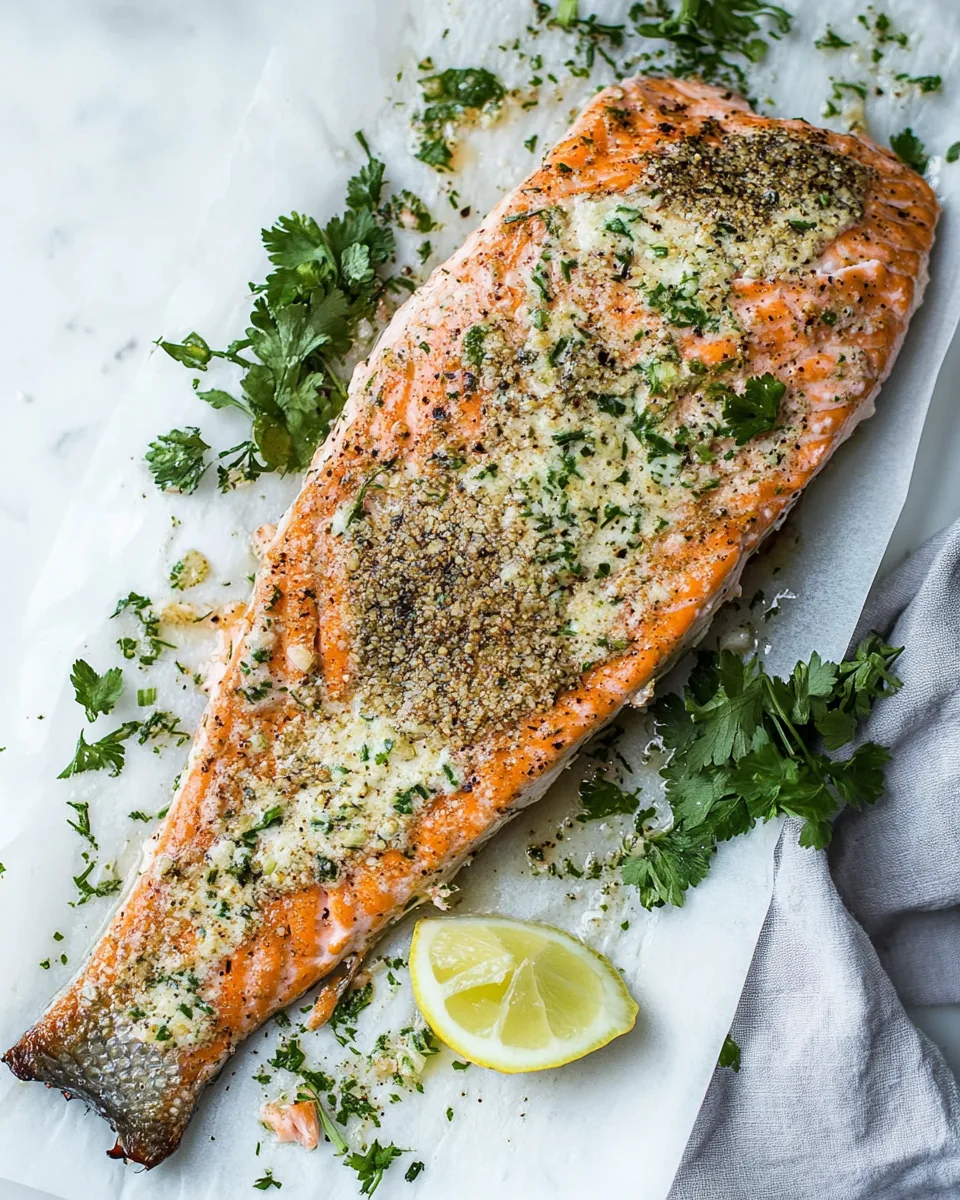
Cooking Slow Roasted Salmon is a straightforward process that delivers incredible results. Follow these steps, and you’ll have a dish that impresses everyone around the table!
- Preheat your oven to 275ºF. This low temperature is key for ensuring that the salmon cooks perfectly.
- Line a rimmed baking sheet with parchment paper. This will make cleanup a breeze!
- Remove the salmon from the refrigerator to take some of the chill off. This helps with even cooking.
- In a small bowl, combine the sour cream, 2 tablespoons of Dijon mustard, chopped dill, capers, the caper brine, salt, and black pepper. Stir until smooth.
- Zest half of the lemon into the bowl, then cut it in half and squeeze the juice from half into the mixture. This adds freshness and acidity!
- Mix everything together until well combined. The sauce should be thick but drizzle-able. If it’s too thick, add a small splash of water or a bit more lemon juice to thin it out.
- Place the salmon, skin side down, onto the lined baking sheet. Pat the top dry with a paper towel. This ensures the skin gets crispy.
- Spread a heaping spoonful (about 3 tablespoons) of the mustard sauce in a thin layer all over the salmon. Don’t be shy—this sauce is where a lot of flavor comes from!
- Roast the salmon in the oven until it is just barely cooked through, which should take about 35 to 50 minutes. You’ll know it’s ready when it flakes easily with a fork and has an internal temperature of 135ºF. Check consistently to avoid overcooking.
- Let the salmon rest for 5 minutes after removing it from the oven. This allows it to finish cooking and stay moist.
- Drizzle the remaining sauce over the salmon or serve it on the side. Garnish with extra sprigs of fresh dill before serving for that beautiful touch!
Things Worth Knowing
- Check for Doneness: Use an instant-read thermometer to check for an internal temperature of 135ºF. This ensures the salmon is perfectly cooked without being dry.
- Room Temperature: Allowing the salmon to come to room temperature before cooking helps it cook evenly. Avoid the fridge chill!
- Sauce Variations: Feel free to experiment with different herbs or spices in the sauce. Fresh basil or parsley can also work well!
- Skin Crispiness: For extra crispy skin, broil the salmon for a minute or two at the end of cooking. Just watch closely to avoid burning!
Make It Your Own
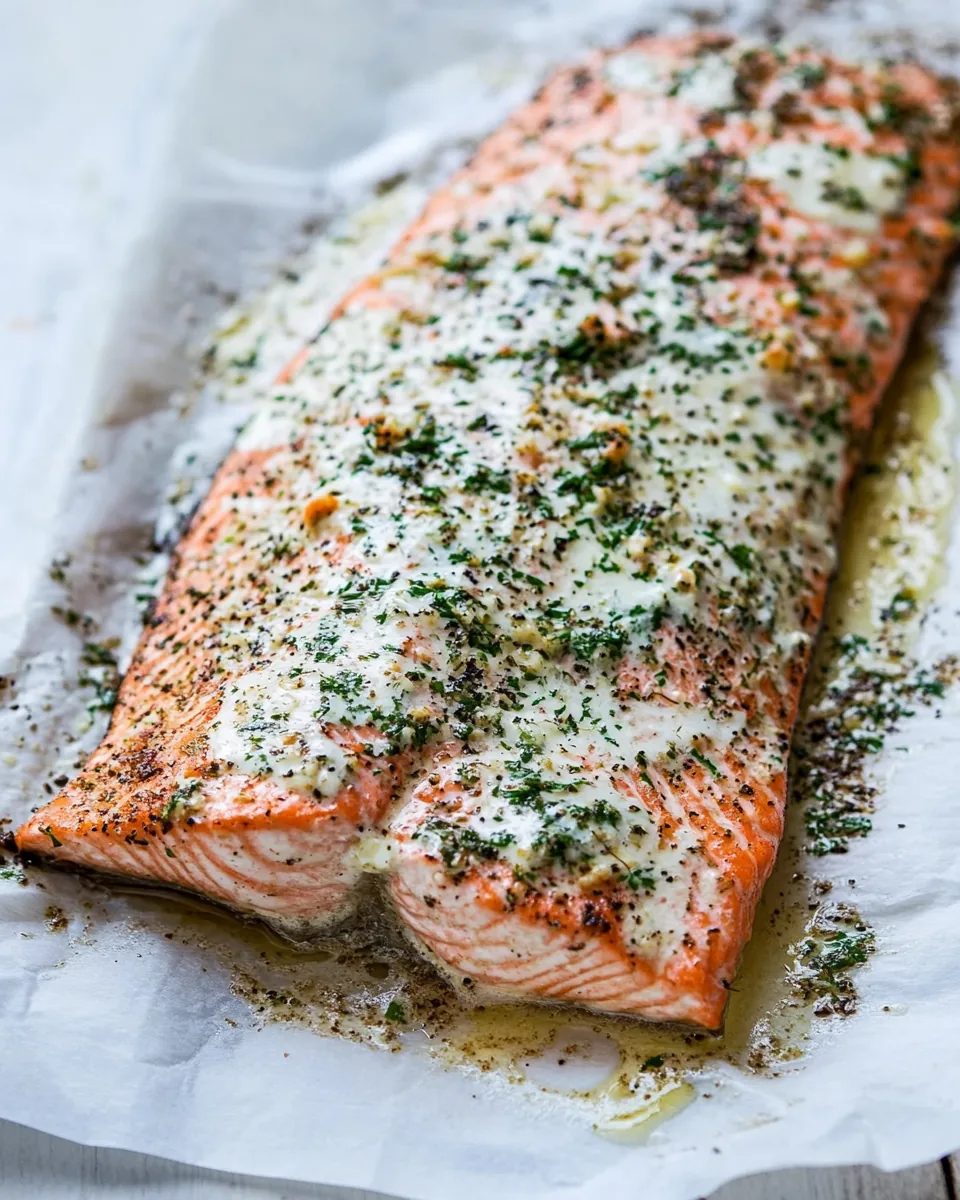
Don’t hesitate to personalize this Slow Roasted Salmon recipe. It’s incredibly versatile, and there are endless ways to make it your own.
- Storage: After cooking, store any leftovers in an airtight container in the fridge. It should last up to three days.
- Freezing: While it’s best fresh, you can freeze cooked salmon for up to three months. Just ensure it’s well-wrapped to prevent freezer burn.
- Pairing: Try serving this salmon with roasted vegetables or a light salad. It’s perfect for a refreshing summer lunch!
- Flavor Boost: Add a splash of lemon juice just before serving to enhance the flavors even more.
- Meal Prep: This dish is great for meal prep. Cook a larger batch and enjoy it throughout the week in various meals.
How to Enjoy Slow Roasted Salmon
Serving Slow Roasted Salmon can elevate any meal, whether it’s a special occasion or a cozy family dinner. Here are some ideas to make the most of it:
- With Fresh Vegetables: Pair your salmon with a refreshing salad made of arugula and cherry tomatoes. The freshness complements the richness of the fish.
- For Special Occasions: Serve this dish for festive gatherings, such as holidays or birthdays. It’s sure to impress your guests!
- Easy Lunch Option: Use leftovers for a quick lunch. Flake the salmon into a salad or sandwich for a tasty meal.
- Seasonal Pairings: In summer, serve with grilled asparagus or corn, while in winter, roasted Brussels sprouts are a great companion.
- Storage Tip: If you have leftovers, store them in an airtight container and enjoy them within three days for the best flavor.
- Meal Prep: This recipe is perfect for meal prep. Cook a larger batch at the beginning of the week, and enjoy it for lunch or dinner later.
FAQ
Conclusion
In summary, the Slow Roasted Salmon is a dish that beautifully combines simplicity with exceptional flavor. It’s not just a meal; it’s a chance to create lasting memories with family and friends. I encourage you to try this recipe; it might just become a staple in your kitchen. Happy cooking!
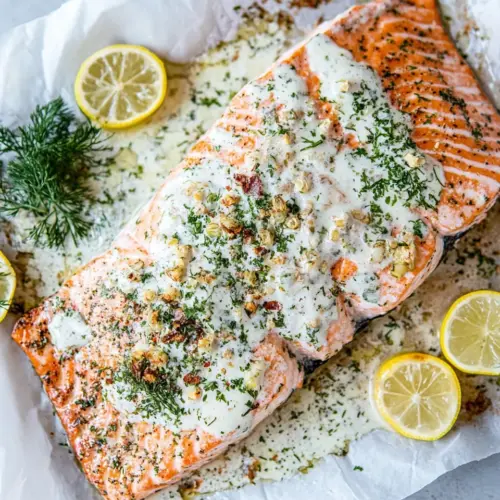
Slow Roasted Salmon
Equipment
- Sheet Pan
Ingredients
- 12 pound whole wild salmon filet at least 1 1/4 inches thick
- 1/3 cup light sour cream
- 2 tablespoons Dijon mustard to taste
- 2 tablespoons fresh dill finely chopped, plus more for garnish
- 1 tablespoon drained capers finely chopped, plus 1 tablespoon of brine
- 1 teaspoon kosher salt
- 1/4 teaspoon fresh ground black pepper
- 1 lemon lemon
Instructions
- Preheat your oven to 275ºF. This low temperature is key for ensuring that the salmon cooks perfectly.
- Line a rimmed baking sheet with parchment paper. This will make cleanup a breeze!
- Remove the salmon from the refrigerator to take some of the chill off. This helps with even cooking.
- In a small bowl, combine the sour cream, 2 tablespoons of Dijon mustard, chopped dill, capers, the caper brine, salt, and black pepper. Stir until smooth.
- Zest half of the lemon into the bowl, then cut it in half and squeeze the juice from half into the mixture. This adds freshness and acidity!
- Mix everything together until well combined. The sauce should be thick but drizzle-able. If it’s too thick, add a small splash of water or a bit more lemon juice to thin it out.
- Place the salmon, skin side down, onto the lined baking sheet. Pat the top dry with a paper towel. This ensures the skin gets crispy.
- Spread a heaping spoonful (about 3 tablespoons) of the mustard sauce in a thin layer all over the salmon. Don’t be shy—this sauce is where a lot of flavor comes from!
- Roast the salmon in the oven until it is just barely cooked through, which should take about 35 to 50 minutes. You’ll know it’s ready when it flakes easily with a fork and has an internal temperature of 135ºF. Check consistently to avoid overcooking.
- Let the salmon rest for 5 minutes after removing it from the oven. This allows it to finish cooking and stay moist.
- Drizzle the remaining sauce over the salmon or serve it on the side. Garnish with extra sprigs of fresh dill before serving for that beautiful touch!