
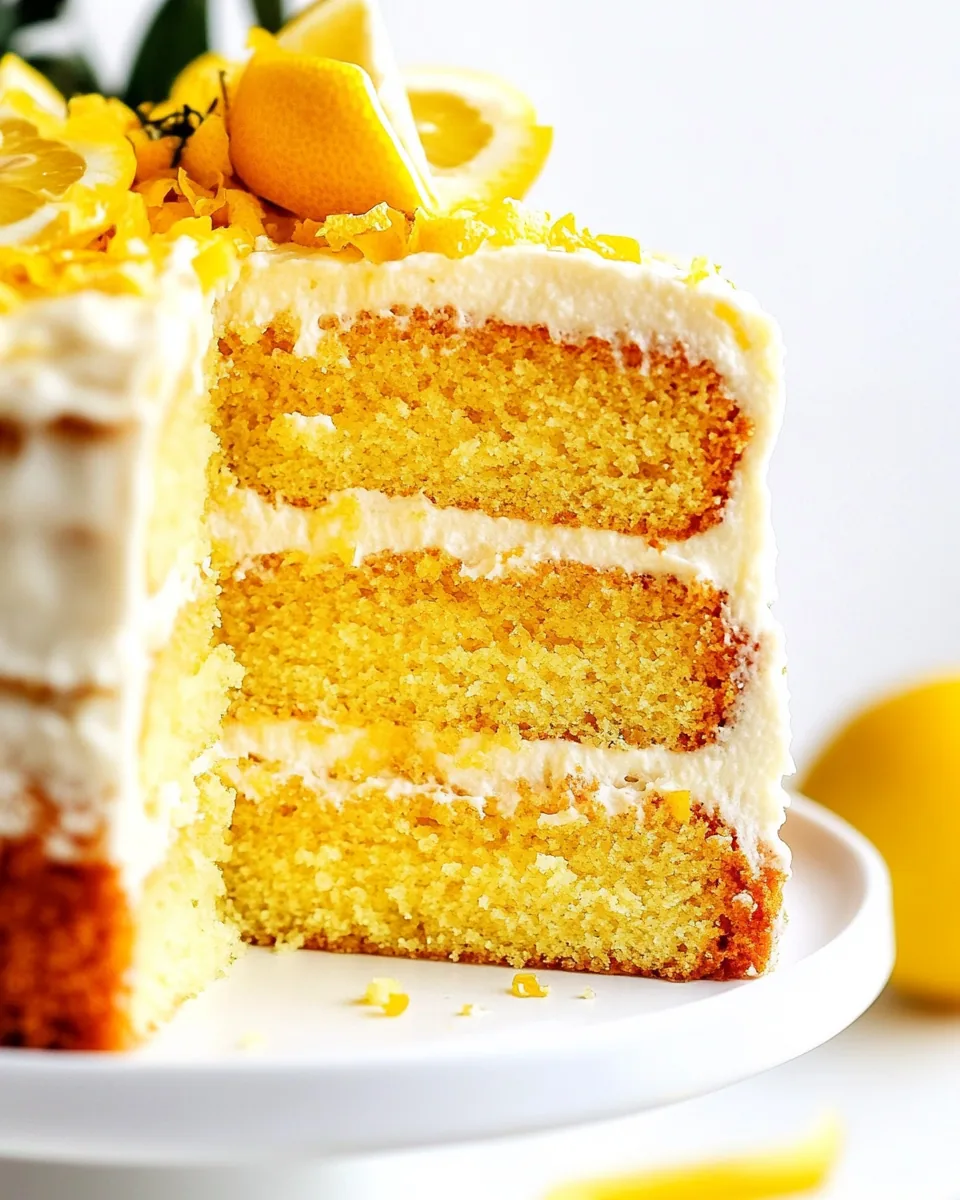
Lemon Cake
There’s something magical about a freshly baked Lemon Cake. I remember the first time I made one for a sunny spring gathering. The bright yellow color of the cake seemed to capture the essence of the season. Friends and family flocked to the kitchen as the sweet aroma of citrus filled the air. Each slice was a burst of sunshine, perfectly complementing the laughter and chatter that accompanied the day. Whenever I bake a Lemon Cake, it feels like I’m not just making dessert; I’m crafting memories. The way the tartness from the lemons blends with the sweetness of the frosting creates a harmonious balance that’s hard to resist.
Recipe Snapshot
1 hr 25 mins
60 mins
25 mins
Hard
350 kcal
4 g
Gluten-Free, Low FODMAP
20 g
Frying Pan, Whisk, Oven, Chef’s Knife, Mixing Bowl, Baking Sheet
Why We Love This Lemon Cake
Bright Flavor
One of the best aspects of Lemon Cake is its vibrant flavor profile. The refreshing tang of lemons uplifts the sweetness of the cake, making each bite a zesty delight. It’s a perfect dessert for spring and summer celebrations.
Versatile Frosting Options
Whether you prefer a classic buttercream or a luscious cream cheese frosting, the Lemon Cake pairs beautifully with many frosting types. Each variation brings its unique twist to the cake, allowing for customization based on your preferences.
Great for Any Occasion
This cake is not just for birthdays or special events; it’s a fantastic dessert for casual gatherings, picnics, or even a simple family dinner. The Lemon Cake shines in any setting, and it’s sure to be a crowd-pleaser.
Make-Ahead Friendly
You can prepare components of the Lemon Cake ahead of time. The lemon curd can be made days in advance, and the cake layers can be baked and frozen until you’re ready to frost. This makes it perfect for busy hosts!
Light and Refreshing
After a hearty meal, this cake provides a light and refreshing finish. It’s not overly heavy, allowing you to enjoy dessert without feeling stuffed. The bright flavors invigorate your palate, leaving you satisfied.
Lemon Cake Shopping List

When it comes to making a delicious Lemon Cake, the ingredients are key. Each one plays a role in creating that perfect balance of sweetness and tartness. Fresh lemons are essential, providing the vibrant flavor that defines this cake. The combination of cake flour and granulated sugar creates a tender crumb, while unsalted butter brings richness. Let’s take a closer look at the key players in this delightful recipe:
- 4 large eggs, at room temperature – Essential for binding and adding moisture.
- 1/3 cup milk (anything but nonfat), at room temperature – Contributes to the cake’s moist texture.
- 2 tablespoons lemon juice, at room temperature – Adds the necessary lemon flavor.
- 1 tablespoon lemon zest – Enhances the cake’s citrus aroma and taste.
- 2 teaspoons vanilla extract – Rounds out the flavors.
- 2 cups cake flour – Ensures a light and fluffy crumb.
- 1 1/2 cups granulated sugar – Provides sweetness to balance the tartness.
- 2 teaspoons baking powder – Leavens the cake for a good rise.
- 3/4 teaspoon salt – Enhances flavors.
- 16 tablespoons unsalted butter, cut into pieces, at room temperature – A key ingredient for moisture and flavor.
- 1 recipe lemon curd (about 2 cups store-bought) – Adds a zesty layer of flavor.
- 12 ounces full-fat cream cheese, at room temperature – For the frosting, adds creaminess.
- 1 cup unsalted butter, at room temperature – Necessary for the frosting’s texture.
- 1/4 cup chilled lemon curd – To be used in frosting, adding extra lemon flavor.
- 1 tablespoon lemon juice – For the frosting, enhances flavor.
- 1/2 teaspoon vanilla extract – Adds depth to the frosting.
- Pinch of salt – Balances the sweetness of the frosting.
- 3 1/2 cups powdered sugar – For sweetness in the frosting.
Putting Together Lemon Cake
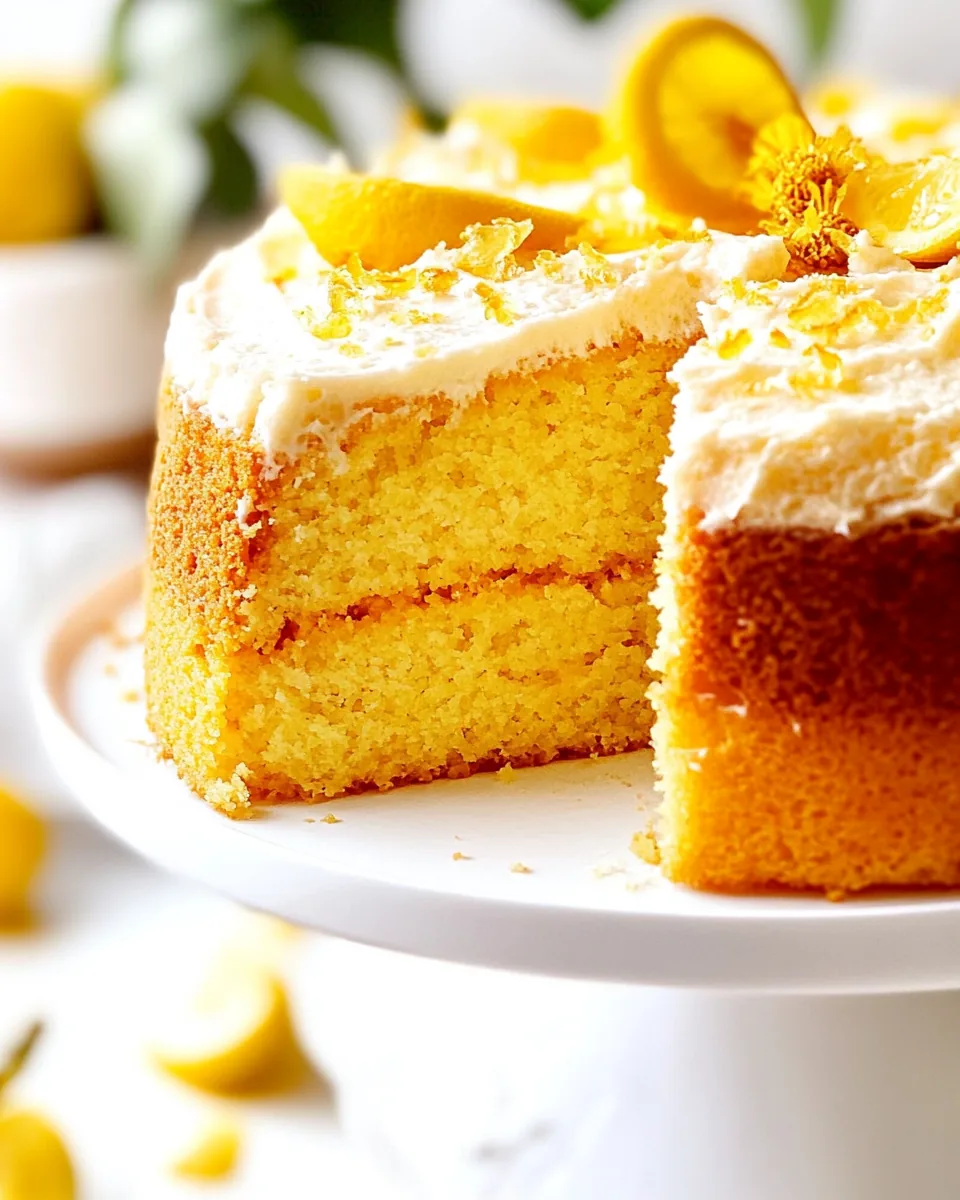
Creating the perfect Lemon Cake is a labor of love! Follow these steps, and you’ll be on your way to a delicious dessert that everyone will adore. Let’s dive into the process:
Prepare the lemon curd according to recipe directions. This step is crucial, as the curd needs to chill for at least 2 hours in the refrigerator before using. It can also be made up to three weeks ahead of time and stored in an airtight container.
Preheat your oven to 350 degrees F. Line the bottom of two 9-inch cake pans with parchment paper. Spray with nonstick cooking spray that includes flour or butter and flour the pans to ensure easy removal later.
In a 3-cup liquid measuring cup, whisk together the eggs, milk, lemon juice, lemon zest, and vanilla extract until well combined. Set this mixture aside for later.
In a stand mixer fitted with a paddle attachment, mix the cake flour, granulated sugar, baking powder, and salt on the lowest speed until just combined, about 20 seconds. Gradually add one piece of butter at a time while the mixer is still running at low speed. Continue until all the butter is added.
Increase the speed to medium and beat until the mixture resembles coarse meal, with butter bits no larger than small peas. This step is vital to ensure a fluffy texture.
With the mixer running on low, pour in about half of the egg mixture. Increase the speed to medium-high and beat until light and fluffy, approximately 60 seconds. Reduce speed to medium-low and add the remaining egg mixture, beating until just incorporated. Avoid overmixing, as the batter may look slightly curdled but that’s okay.
Divide the batter evenly between the prepared cake pans. Smooth it with a spatula and gently drop the pans on the counter a few times to eliminate air bubbles. Bake in the preheated oven for about 20 to 25 minutes or until a toothpick inserted in the center comes out clean.
Once baked, let the cakes cool in the pans for about 10 minutes. After that, carefully remove them and transfer to a wire rack to cool completely.
If time allows, freezing the cakes for 30 to 60 minutes will make them easier to slice in half later. Alternatively, wrap the cooled cakes in plastic wrap and refrigerate until you are ready to slice and frost.
For the frosting, use a handheld mixer to beat the cream cheese and unsalted butter together at medium speed until very creamy. Then, beat in a 1/4 cup of chilled lemon curd, lemon juice, vanilla extract, and a pinch of salt until smooth.
Gradually add in the powdered sugar, continuing to beat at medium-high speed until the frosting is smooth and fluffy. If the frosting is too runny, refrigerate for a bit to help it set.
To assemble, place four strips of parchment paper around the edges of a plate or cake stand to create a square with an opening in the middle. Cut the cooled cakes in half horizontally using a long, serrated knife or a cake leveler to create four even layers.
Start with one layer, cut side up, on the prepared serving plate. Transfer some frosting to a piping bag (or a ziploc bag) and pipe a ring of frosting just inside the top edge of the first cake layer. Fill the middle with a generous amount of frosting (about one heaping cup) and spread it into an even layer.
Top with the second cake layer, ensuring the top side is down. Repeat the piping ring and fill half of the remaining chilled lemon curd on top, spreading it evenly.
Add the third layer and repeat the frosting process, topping it with about one heaping cup of frosting again. Finally, place the last layer on top, again top side down.
If there’s time, place the cake in the freezer for 15 to 30 minutes to help the frosting chill and set. This will prevent the top layer from sliding as you apply the crumb coat.
For the crumb coat, take about 3/4 cup of frosting and spread a thin layer over the entire cake, smoothing it down with a spatula. Freeze for an additional 15 to 30 minutes until the crumb coat is set.
Once the crumb layer is set, frost the outside of the cake with the remaining frosting as desired. Spread the remaining chilled lemon curd on top of the cake. Decorate as desired, perhaps with fresh flowers or crushed pistachios for an elegant touch.
Freeze the cake for another 20 to 30 minutes to firm up before slicing. If you’re not serving immediately, refrigerate for at least 45 minutes. Slice and serve at room temperature, or if desired, warm individual slices in the microwave for no longer than 8 to 10 seconds.
Store any leftover frosted cake by covering it with an inverted bowl or a cake cover in the refrigerator. For the best experience, slice while chilled but let the cake come to room temperature before serving.
Things Worth Knowing
- Chill your cake layers: This makes them easier to slice and frost, preventing the cake from crumbling.
- Use room temperature ingredients: Ensuring your butter, cream cheese, and eggs are at room temperature helps them blend together smoothly and creates a better texture.
- Don’t overmix the batter: Overmixing can create a dense cake. Mix until just combined.
- Check cake doneness: A toothpick inserted into the center should come out clean. If not, give it a few more minutes.
- Frosting consistency: If your frosting is too runny, refrigerate it until it firms up.
Helpful Notes about Lemon Cake

Making a delicious Lemon Cake takes some practice, but here are some notes to help you along the way:
- Storage: The assembled and frosted cake should be covered with a cake cover or foil and refrigerated. It may be stored for up to 5 days, but it’s best the first two days.
- Freezing: Individual layers can be tightly wrapped in plastic wrap and frozen for up to three months.
- Variations: Experiment with different frostings, like a whipped cream frosting for a lighter touch, or add fresh berries between the layers for a fruity twist.
- Pairing: Serve alongside fresh berries, whipped cream, or a scoop of vanilla ice cream for a delightful dessert experience.
- Make-ahead: You can prepare the lemon curd days in advance and store it in the fridge until ready to use.
What to Serve Alongside Lemon Cake
When it comes to serving Lemon Cake, there are endless possibilities to create the perfect experience. Here are some delightful ideas:
- Fresh Berries: Lighten things up by serving the Lemon Cake with a side of fresh strawberries, blueberries, or raspberries. Their sweetness complements the tartness of the cake beautifully.
- Whipped Cream: A dollop of freshly whipped cream on each slice adds a delightful creaminess that balances the citrus flavors.
- Ice Cream: Vanilla ice cream is a classic pairing that adds richness and smoothness against the bright flavors of the cake.
- Tea or Coffee: A warm cup of tea or coffee can enhance the flavors of the Lemon Cake and create a cozy atmosphere.
- Picnics or Parties: This cake is perfect for outdoor gatherings or celebrations. It travels well and is a crowd-pleaser!
- Spring Events: Serve it during Easter, birthdays, or any springtime celebration to brighten up the table.
FAQ
Conclusion
The Lemon Cake is not just a dessert; it’s an experience that brings sunshine to any gathering. With its delightful balance of tartness and sweetness, it’s perfect for celebrations or a simple family dinner. I encourage you to try making this cake; you won’t regret it! The joy it brings is worth every step of the process.
Lemon Cake
Equipment
- Frying Pan
- Whisk
- Oven
- Chef's Knife
- Mixing Bowl
- Baking Sheet
Ingredients
- 4 large Eggs at room temperature
- 1/3 cup Milk anything but nonfat, at room temperature
- 2 tablespoons Lemon Juice at room temperature
- 1 tablespoon Lemon Zest
- 2 teaspoons Vanilla Extract
- 2 cups Cake Flour (See DIY in Notes)
- 1.5 cups Granulated Sugar
- 2 teaspoons Baking Powder
- 3/4 teaspoon Salt
- 16 tablespoons Unsalted Butter cut into 16 pieces, at room temperature
- 1 recipe Lemon Curd (or 2 cups store-bought)
- 12 ounces Full Fat Cream Cheese at room temperature
- 1 cup Unsalted Butter at room temperature
- 1/4 cup Chilled Lemon Curd from above (in directions)
- 1 tablespoon Lemon Juice
- 1/2 teaspoon Vanilla Extract
- Pinch Salt
- 3.5 cups Powdered Sugar
Instructions
- Prepare the lemon curd according to recipe directions. It must chill for at least 2 hours in the refrigerator before using. It can be made up to three weeks ahead of time and stored in an airtight container.
- Preheat your oven to 350 degrees F. Line the bottom of two 9-inch cake pans with parchment paper. Spray with nonstick cooking spray that includes flour or butter and flour the pans to ensure easy removal later.
- In a 3-cup liquid measuring cup, whisk together the eggs, milk, lemon juice, lemon zest, and vanilla extract until well combined. Set this mixture aside for later.
- In a stand mixer fitted with a paddle attachment, mix the cake flour, granulated sugar, baking powder, and salt on the lowest speed until just combined, about 20 seconds. Gradually add one piece of butter at a time while the mixer is still running at low speed. Continue until all the butter is added.
- Increase the speed to medium and beat until the mixture resembles coarse meal, with butter bits no larger than small peas. This step is vital to ensure a fluffy texture.
- With the mixer running on low, pour in about half of the egg mixture. Increase the speed to medium-high and beat until light and fluffy, approximately 60 seconds. Reduce speed to medium-low and add the remaining egg mixture, beating until just incorporated. Avoid overmixing, as the batter may look slightly curdled but that’s okay.
- Divide the batter evenly between the prepared cake pans. Smooth it with a spatula and gently drop the pans on the counter a few times to eliminate air bubbles. Bake in the preheated oven for about 20 to 25 minutes or until a toothpick inserted in the center comes out clean.
- Once baked, let the cakes cool in the pans for about 10 minutes. After that, carefully remove them and transfer to a wire rack to cool completely.
- If time allows, freezing the cakes for 30 to 60 minutes will make them easier to slice in half later. Alternatively, wrap the cooled cakes in plastic wrap and refrigerate until you are ready to slice and frost.
- For the frosting, use a handheld mixer to beat the cream cheese and unsalted butter together at medium speed until very creamy. Then, beat in a 1/4 cup of chilled lemon curd, lemon juice, vanilla extract, and a pinch of salt until smooth.
- Gradually add in the powdered sugar, continuing to beat at medium-high speed until the frosting is smooth and fluffy. If the frosting is too runny, refrigerate it until it firms up.
- To assemble, place four strips of parchment paper around the edges of a plate or cake stand to create a square with an opening in the middle. Cut the cooled cakes in half horizontally using a long, serrated knife or a cake leveler to create four even layers.
- Start with one layer, cut side up, on the prepared serving plate. Transfer some frosting to a piping bag (or a ziploc bag) and pipe a ring of frosting just inside the top edge of the first cake layer. Fill the middle with a generous amount of frosting (about one heaping cup) and spread it into an even layer.
- Top with the second cake layer, ensuring the top side is down. Repeat the piping ring and fill half of the remaining chilled lemon curd on top, spreading it evenly.
- Add the third layer and repeat the frosting process, topping it with about one heaping cup of frosting again. Finally, place the last layer on top, again top side down.
- If there’s time, place the cake in the freezer for 15 to 30 minutes to help the frosting chill and set. This will prevent the top layer from sliding as you apply the crumb coat.
- For the crumb coat, take about 3/4 cup of frosting and spread a thin layer over the entire cake, smoothing it down with a spatula. Freeze for an additional 15 to 30 minutes until the crumb coat is set.
- Once the crumb layer is set, frost the outside of the cake with the remaining frosting as desired. Spread the remaining chilled lemon curd on top of the cake. Decorate as desired, perhaps with fresh flowers or crushed pistachios for an elegant touch.
- Freeze the cake for another 20 to 30 minutes to firm up before slicing. If you're not serving immediately, refrigerate for at least 45 minutes. Slice and serve at room temperature, or if desired, warm individual slices in the microwave for no longer than 8 to 10 seconds.
- Store any leftover frosted cake by covering it with an inverted bowl or a cake cover in the refrigerator. For the best experience, slice while chilled but let the cake come to room temperature before serving.