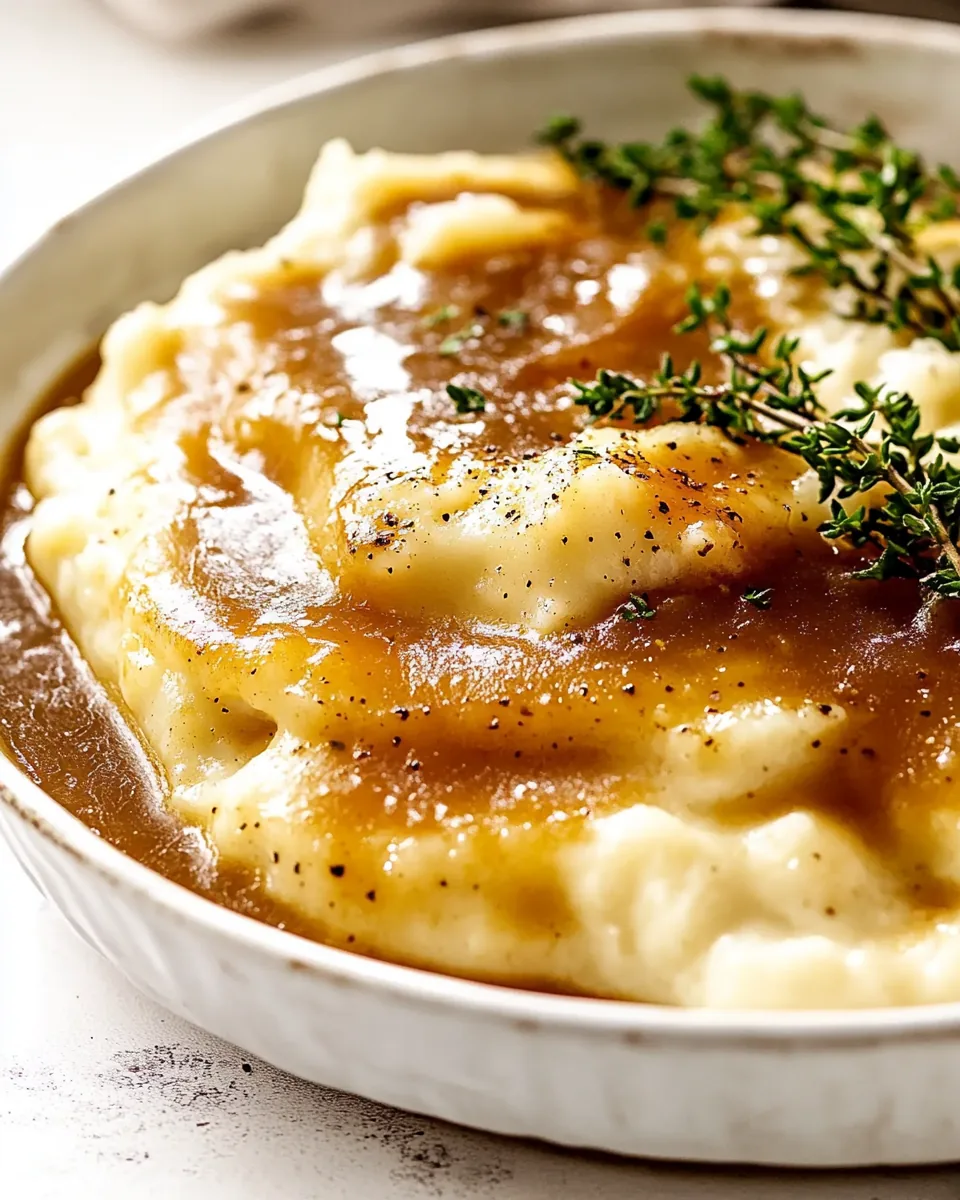
Chicken Gravy
Every time I whip up a batch of Chicken Gravy, it brings back memories of chilly evenings huddled around the dinner table with family. The aroma of rich, savory gravy simmering on the stove is enough to make anyone’s mouth water. It’s one of those recipes that feels like a warm hug, perfect for drizzling over your favorite comfort foods, like mashed potatoes or roasted chicken. I remember the first time I made it; I was nervous, but as soon as I tasted it, I felt like a culinary genius! There’s something magical about the way simple ingredients come together to create an explosion of flavor. Whether it’s a weeknight dinner or a special occasion, Chicken Gravy never fails to impress.
Recipe Snapshot
60 mins
0 mins
0 mins
Medium
120 kcal
2 g
Gluten-Free, Low FODMAP
8 g
Skillet, Frying Pan, Whisk, Saucepan, Wooden Spoon
Why This Chicken Gravy Hits Different
Comfort and Coziness
The best part about Chicken Gravy is how it transforms any ordinary meal into a comforting feast. It’s thick, creamy, and utterly delicious, making it the perfect companion for all kinds of dishes. Just a drizzle can elevate a simple plate of rice or mashed potatoes to something extraordinary.
Versatile Uses
With Chicken Gravy, the possibilities are endless. You can serve it over chicken, turkey, or even vegetarian options like roasted vegetables and tofu for a delightful twist. It’s the kind of sauce that invites creativity, and you can easily customize it to fit your taste preferences!
Quick and Easy
One of the reasons I love making Chicken Gravy is how quick and easy it is to prepare. You don’t need a long list of complicated ingredients or hours in the kitchen. In just a few simple steps, you can have a rich, flavorful gravy that’s ready to serve.
Great for Leftovers
This gravy is fantastic for using up leftovers. Got some chicken drippings from last night’s roast? Perfect! You can easily whip up a batch of Chicken Gravy to breathe new life into your leftovers. It’s like a magic potion that makes yesterday’s meal feel exciting again.
Family Tradition
For many of us, Chicken Gravy is steeped in family tradition, passed down through generations. I love how each family has its unique take on gravy, making it a cherished recipe that connects us to our roots and those we love.
What to Buy for Chicken Gravy
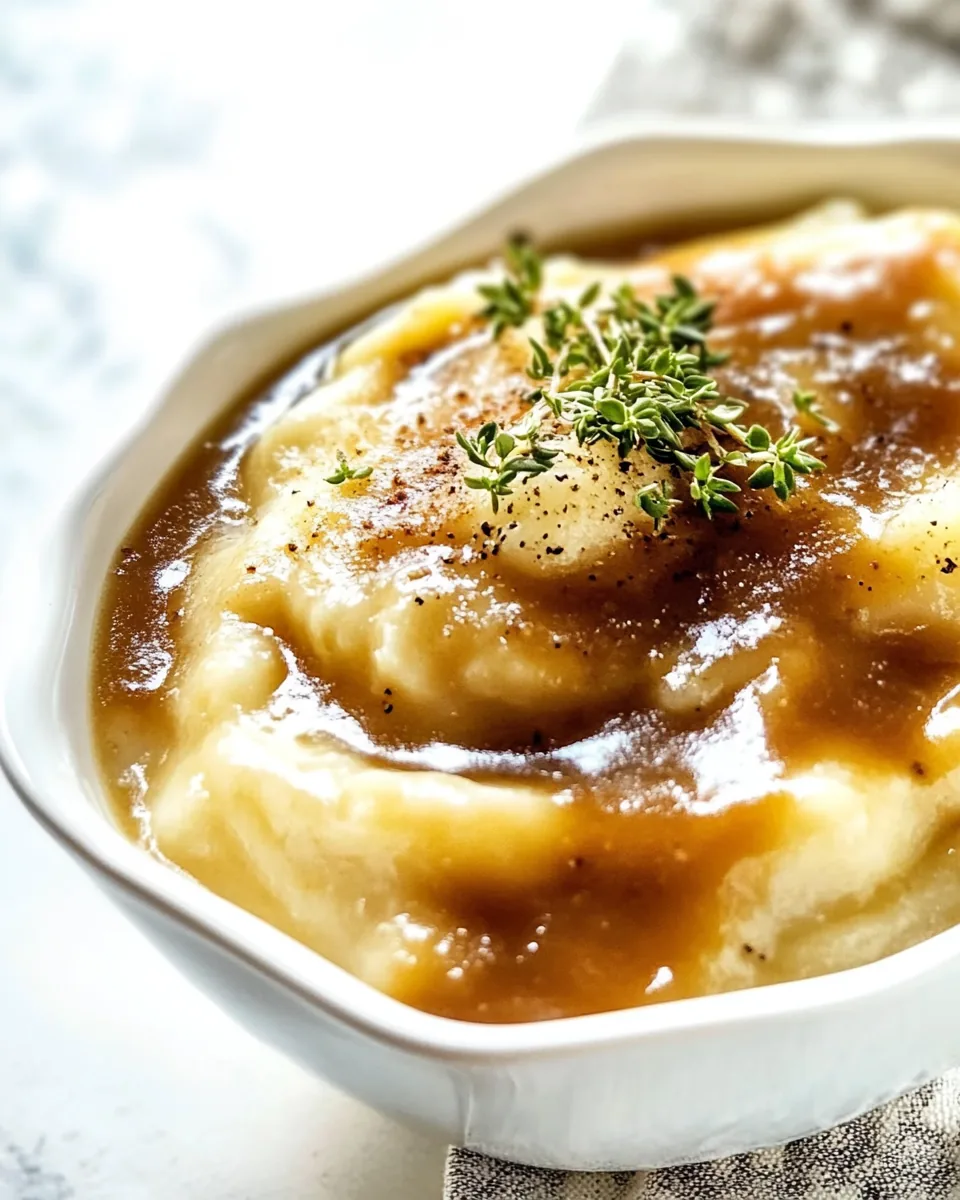
When you’re making Chicken Gravy, the ingredients you choose are key to achieving that perfect flavor and consistency. Each of these components works harmoniously, creating a sauce that’s rich and satisfying. Let’s explore the essential ingredients that will elevate your gravy to the next level.
- Unsalted Butter: The foundation of any good gravy, it adds depth and richness.
- All-Purpose Flour: A thickener that brings the gravy together, creating that desirable smooth texture.
- Cornstarch: Enhances the thickness of the gravy, ensuring it clings to your food.
- Low Sodium Chicken Broth: Provides the essential chicken flavor without being overly salty.
- Chicken Bouillon: Amplifies the savory taste and adds a delightful depth.
- Garlic Powder: A staple for adding that aromatic kick to the gravy.
- Dried Parsley: A touch of freshness that brightens up the flavor profile.
- Onion Powder: Delivers a subtle sweetness and complexity.
- Dried Oregano: Enhances the overall taste with its earthy notes.
- Dried Thyme: A classic herb that adds a warm and comforting aroma.
- Salt and Pepper: Essential for seasoning to taste, ensuring a balanced flavor.
Recipe Steps for Chicken Gravy
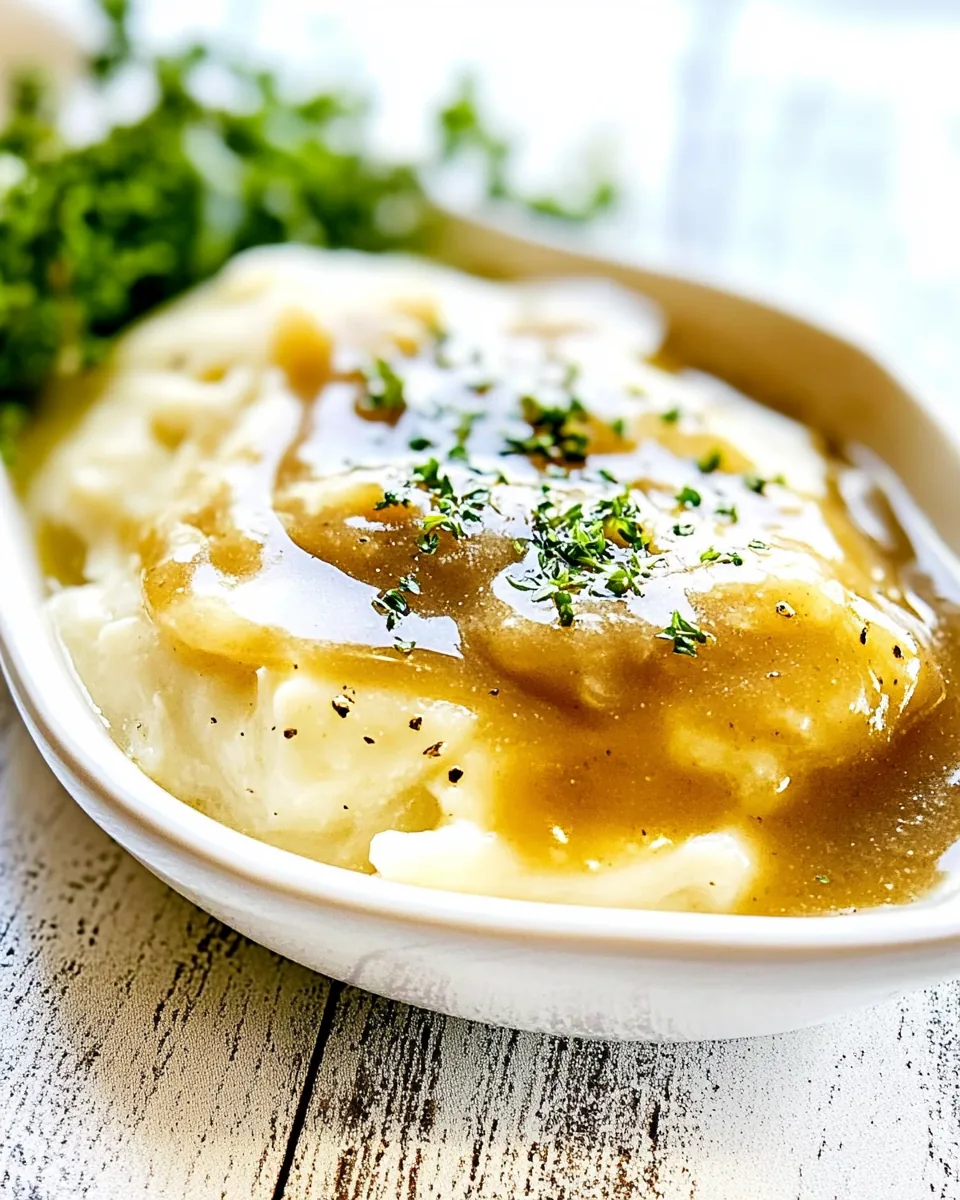
Making Chicken Gravy is an enjoyable process that leads to a delicious reward. Let’s dive into the steps you’ll follow to whip up this delightful sauce, ensuring you savor each moment in the kitchen.
- Begin by transferring any drippings from your cooked chicken into a gravy fat separator or a liquid measuring cup. Let it sit for a few minutes. This allows the fat to rise to the top, making it easier to skim off later. If you don’t have drippings, you can simply start with broth.
- Once the fat has settled, skim it off or pour the liquid into a separate bowl, leaving behind the grease. You want to add enough broth to make a total of two cups of liquid, so adjust accordingly.
- In a small bowl or measuring cup, whisk together the cornstarch and a bit of the broth until smooth. This will help prevent any lumps in your gravy.
- In a medium saucepan over medium-low heat, melt the unsalted butter. Once melted, add the all-purpose flour and whisk continuously for one to two minutes. This will cook out the raw flour taste, leaving you with a nice roux.
- Reduce the heat to low and slowly whisk in the broth and cornstarch mixture. It’s important to stir constantly to avoid any lumps. Keep an eye on the color; it should start to thicken beautifully.
- Add in the chicken bouillon and all the seasonings: garlic powder, dried parsley, onion powder, dried oregano, dried thyme, salt, and pepper. This combination of flavors will create that savory base we all love.
- Bring the gravy to a gentle simmer while whisking. Continue to simmer for a few minutes until it thickens to your desired consistency. If it gets too thick, just whisk in a little more broth until it’s perfect.
- Taste your gravy and adjust the seasoning with more salt and pepper if needed. Remember, it’s your creation, so make it just how you like it!
- Once you’ve achieved the right flavor, take it off the heat. Keep in mind that the gravy will thicken as it cools, so don’t panic if it seems a bit thin when you first make it.
- To reheat, place the gravy in a saucepan over medium-low heat, adding more broth or water as necessary to reach your desired consistency.
Things Worth Knowing
- Consistency Matters: The thickness of your Chicken Gravy can be adjusted by the amount of broth or cornstarch you use. If it’s too thin, add a little more cornstarch mixed with broth.
- Heat Control: Keep the heat low when adding the broth to prevent the mixture from splattering and ensure a smooth gravy.
- Flavor Adjustments: Don’t hesitate to tweak the seasoning according to your taste. A touch more garlic powder or dried thyme can make a huge difference.
- Storage Tips: If you have leftovers, store them in an airtight container in the refrigerator for up to four days.
Recipe Notes about Chicken Gravy
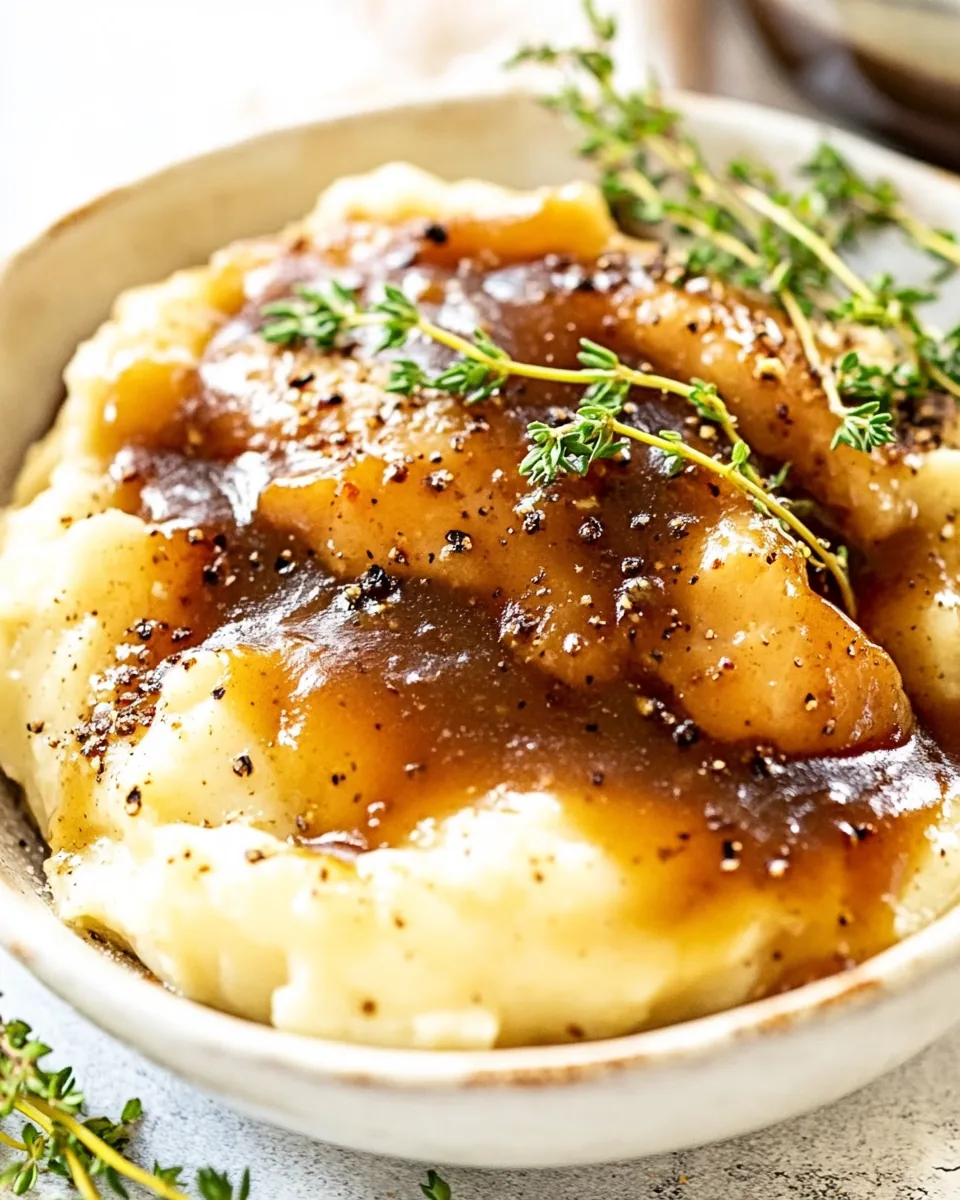
Here are some essential tips to ensure your Chicken Gravy turns out perfectly every time. From storage to variations, these notes will help you master this classic recipe.
- Storage: Store leftovers in an airtight container in the refrigerator for up to four days to keep it fresh.
- Freezing: You can freeze the gravy in airtight containers or freezer bags for up to three months. Thaw overnight in the refrigerator before reheating.
- Reheating: When reheating frozen gravy, gently warm it in a saucepan, adding additional broth or water as needed to restore its original consistency.
- Variations: For a richer gravy, increase the butter to four tablespoons and flour to a quarter cup. For a lighter version, omit the butter and flour, increasing cornstarch to three tablespoons.
- Perfect Pairings: This gravy pairs wonderfully with mashed potatoes, roasted vegetables, and chicken dishes, making it a versatile addition to your meals.
Perfect Pairings for Chicken Gravy
Serving Chicken Gravy is all about creating a comforting, satisfying meal. Here’s how you can make the most of this delicious gravy:
- Mashed Potatoes: One of the classic pairings is creamy mashed potatoes. The smooth texture of the potatoes absorbs the gravy perfectly, creating a delightful combination.
- Roasted Chicken: Drizzle Chicken Gravy over your favorite roasted chicken for a savory flavor boost that enhances each bite.
- Vegetable Medley: Serve the gravy over roasted or steamed vegetables for a touch of indulgence that makes healthy eating a pleasure.
- Stuffing: Enhance your stuffing by pouring some gravy over it, providing moisture and flavor that will elevate your dish.
- Biscuits or Bread: Use the gravy as a topping for warm biscuits or crusty bread, making for a cozy breakfast or brunch option.
- Holidays and Gatherings: Chicken Gravy is perfect for family gatherings, holiday meals, or as part of a Sunday dinner. It brings everyone together around the table.
FAQ
Conclusion
The beauty of Chicken Gravy lies in its comforting richness and versatility. It’s a dish that not only enhances a meal but also brings a sense of nostalgia and warmth to the table. I encourage you to give this recipe a try; it’s simpler than you think and incredibly rewarding.
Whether for a casual weeknight dinner or a special family gathering, Chicken Gravy is sure to be a hit. Enjoy the process, savor the aroma, and most importantly, relish in the deliciousness!
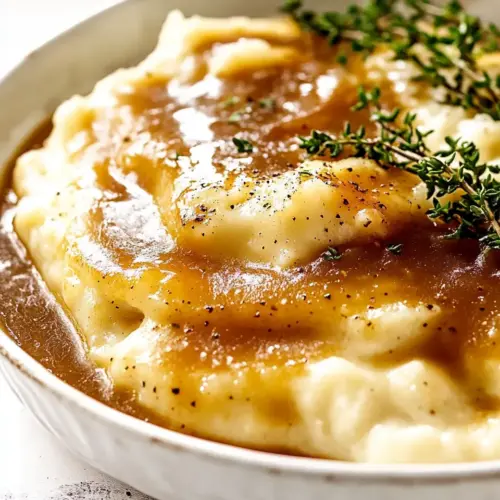
Chicken Gravy
Equipment
- Skillet
- Frying Pan
- Whisk
- Saucepan
- Wooden Spoon
Ingredients
- 2 tablespoons Unsalted Butter
- 2 tablespoons All-Purpose Flour
- 1.5 tablespoons Cornstarch
- 2 cups Low Sodium Chicken Broth (less if using drippings, see directions)
- 1 teaspoon Chicken Bouillon (see notes)
- 1 teaspoon Garlic Powder EACH
- 1 teaspoon Dried Parsley EACH
- 0.5 teaspoon Onion Powder
- 0.25 teaspoon Dried Oregano EACH
- 0.25 teaspoon Paprika EACH
- 0.125 teaspoon Pepper
- to taste Salt
Instructions
- Transfer the drippings to a gravy fat separator or a liquid measuring cup and let it sit for a few minutes to allow the fat to separate to the top. Skim the fat off of the liquid measuring cup or pour the grease out of the fat separator. Add enough broth to the drippings to equal 2 cups.
- Proceed with the recipe below but omit the bouillon because the drippings already have a lot of flavor. At the end of cooking, add bouillon ¼ teaspoon at a time to taste if needed.
- Whisk the cornstarch and broth together in a liquid measuring cup or bowl until smooth; set aside.
- Melt butter in a medium saucepan over medium-low heat. Whisk in the flour and cook for 1-2 minutes until the raw flour smell is gone.
- Reduce heat to low, give the chicken broth/cornstarch a stir (to recombine) and slowly whisk it into the skillet. Add the chicken bouillon and all seasonings.
- Bring to a simmer, whisking constantly, and continue to simmer until thickened to desired consistency. If the gravy becomes too thick, whisk in additional chicken broth.
- Taste and season with salt and pepper to taste. The gravy will thicken as it cools. To restore, heat over medium-low and whisk in additional broth to thin back to desired consistency.
Notes
- Chicken Bouillon: You can use granulated bouillon (powder), bouillon cubes or better than bouillon/chicken base all in equal amounts. Add the bouillon directly to the broth without dissolving in liquid first. If using cubes, you will need 1 cube which you crush up and then add directly to the broth.
- All Flour Gravy: Increase butter to 4 tablespoons and flour to ¼ cup. All flour gravy is richer, but almost too rich in my opinion.
- All Cornstarch Gravy: Omit the butter and flour at the beginning and increase the cornstarch to 3 tablespoons. Add 1 tablespoons butter at the end of cooking to finish. All cornstarch gravy is less rich and creamy and becomes gummier when cooled/frozen.
- Storage: Store leftovers in an airtight container in the refrigerator for up to 4 days.
- Freezing: Transfer leftovers to an airtight container or smaller freezer bags and squeeze out excess air. Freeze for up to 3 months. When ready to use, thaw completely overnight in the refrigerator. Reheat per instructions.
- Reheating: The gravy will thicken as it cools, but will thin again once reheated. Gently warm in a saucepan, adding additional broth or water as needed to thin to desired consistency, whisking until smooth.