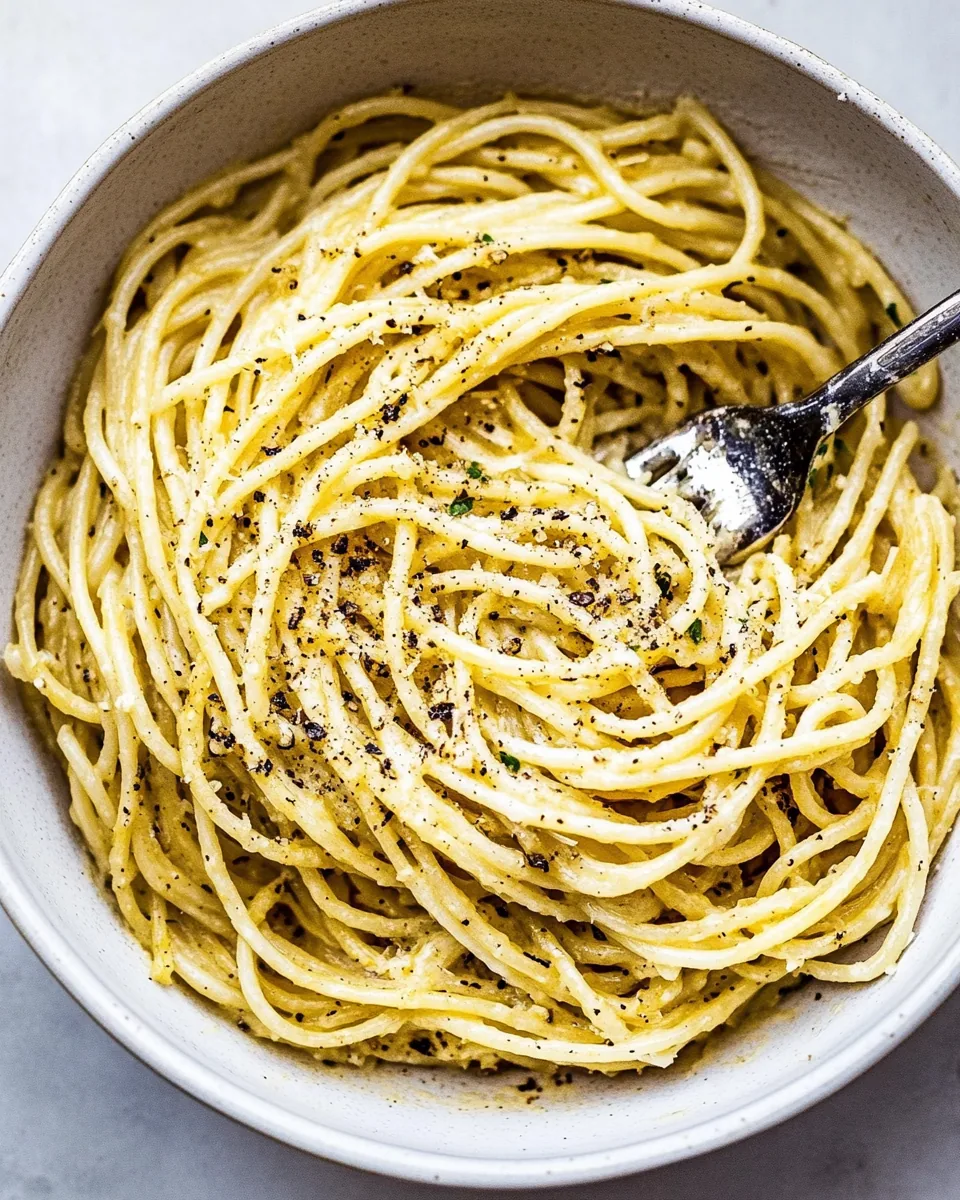
Cacio e Pepe
The Cacio e Pepe is one of those dishes that always brings a smile to my face. It’s simple, yet incredibly satisfying. I remember the first time I tried making it at home; I was looking for something quick and comforting after a long day. The idea of just a few ingredients combining to create something so creamy and delicious was exciting. It felt like a secret that only a few knew. With just some pasta, cheese, and pepper, you can create a beautiful dish that’s rich in flavor and history, taking you straight to the heart of Italy. Each time I prepare Cacio e Pepe, it reminds me of cozy evenings spent with friends, where laughter flows as freely as the pasta. It’s perfect for those nights when you want to impress without spending hours in the kitchen, and I can’t help but share this experience with everyone I know.
Recipe Snapshot
25 mins
5 mins
20 mins
Medium
600 kcal
20 g
Keto, Gluten-Free, Low FODMAP
25 g
Skillet, Frying Pan, Large Pot, Grater, Chef’s Knife, Mixing Bowl, Wooden Spoon
Why We Love This Cacio e Pepe
1. Fewer Ingredients, More Flavor
One of the best things about Cacio e Pepe is its simplicity. With just five key ingredients, you can create a dish that bursts with flavor. It’s amazing how the combination of spaghetti, olive oil, butter, black pepper, and Parmesan cheese can come together to create a creamy, rich sauce that coats every strand of pasta. This means you can whip it up on a busy weeknight and still feel like you’ve treated yourself to a gourmet meal.
2. Comfort in Every Bite
There’s something incredibly comforting about creamy, cheesy pasta. The Cacio e Pepe invokes those warm, fuzzy feelings that make you want to curl up with a bowl and savor every bite. Whether you’re having a rough day or just need a little pick-me-up, this dish can lift your spirits and bring a smile to your face.
3. A Dish with History
This dish isn’t just delicious; it carries a wonderful history that connects Italy’s culinary roots. Originating from Rome, Cacio e Pepe has been a favorite for centuries, traditionally enjoyed by shepherds who needed a quick, satisfying meal. Knowing that you’re preparing a dish with such deep-rooted traditions adds to the overall experience of cooking and enjoying it.
4. Perfect for Any Occasion
Whether you’re hosting a dinner party or enjoying a quiet meal alone, Cacio e Pepe fits seamlessly into any occasion. Its elegance and simplicity make it a great choice for impressing guests or indulging in a cozy night in. Pair it with a light salad and a glass of sparkling water, and you’ve got a fantastic meal that feels special.
5. Customizable Yet Classic
While the traditional recipe is perfect as is, it also offers room for customization. You can easily add in your favorite vegetables or proteins to make it your own while still keeping the essence of this classic dish. It’s an adaptable recipe that can grow with your tastes and dietary needs.
Recipe Ingredients for Cacio e Pepe
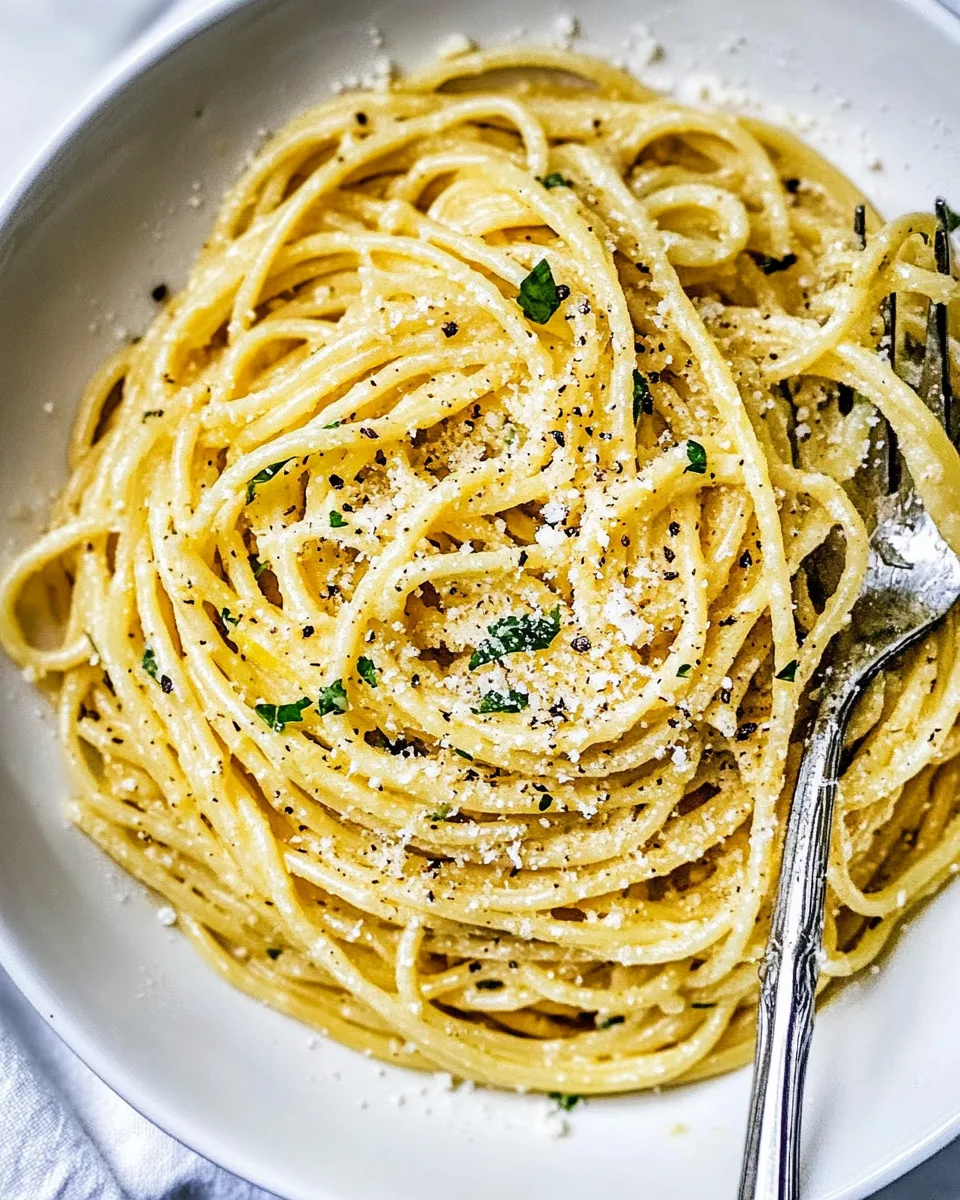
The beauty of Cacio e Pepe lies in its ingredients. Each one plays an essential role in creating that signature creamy sauce we all crave. The key players here are the pasta and the cheese, which come together to form a luscious, savory experience that’s hard to resist.
- 8 ounces bucatini or spaghetti: The foundation of the dish. Bucatini is slightly thicker and holds onto the sauce well, but spaghetti works just as beautifully.
- 2 teaspoons kosher salt: Essential for flavoring the pasta water, ensuring your noodles are well-seasoned.
- 2 tablespoons extra virgin olive oil: Adds richness and depth to the dish.
- 2 tablespoons butter: Creates a creamy texture and enhances the flavor profile.
- 2 teaspoons fresh, coarsely ground black pepper: The star seasoning that brings warmth and spice to the dish.
- ¾ cup finely grated Parmesan cheese or Romano cheese: The important ingredient that makes the sauce creamy and cheesy.
- 1 tablespoon finely chopped parsley, if desired: A touch of freshness and color to garnish.
How to Make Cacio e Pepe
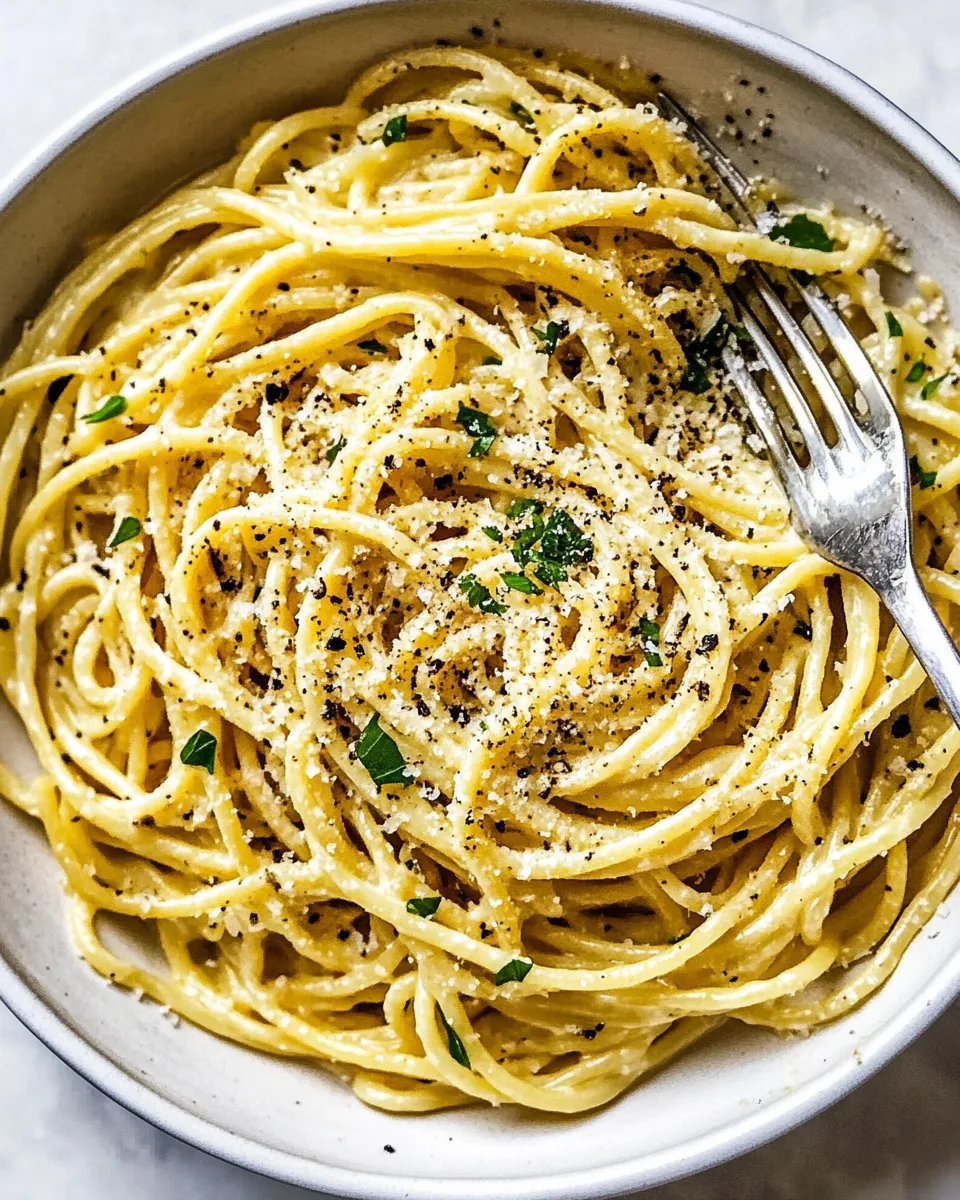
Making Cacio e Pepe is an enjoyable process that comes together in just a few steps. This dish allows you to hone your pasta-making skills while enjoying the delightful aroma of melting cheese. Let’s dive in!
- Add 4 cups of water to a large pot or high-sided skillet, and sprinkle in the kosher salt. Bring the water to a rapid boil. Once boiling, add the bucatini or spaghetti and cook for two minutes less than the package instructions direct. This will ensure the noodles are firm and chewy, which is what we want for this dish.
- While the pasta is cooking, heat another large sauté pan over medium heat. Pour in the olive oil, followed by the butter and freshly ground black pepper. Stir gently until the butter melts completely and the pepper releases its delightful aroma.
- When the pasta is about 2 to 3 minutes away from being done cooking, carefully measure out and set aside ½ cup of the pasta water. Gradually add this to the olive oil and pepper mixture in the sauté pan. Be cautious; it will bubble and splatter, creating a beautiful sauce. Then, add another ½ cup of the pasta water, mixing well.
- Use tongs to transfer the pasta directly from the pot to the sauté pan, allowing some of the pasta water to follow. You don’t need to completely drain off the water; it’s crucial as it helps create that creamy sauce. Continue cooking the pasta in this oil and pasta water combo for an additional 1 to 2 minutes.
- As you cook, toss and stir the pasta to ensure each strand is coated in the rich sauce. If it looks too dry, don’t hesitate to add more of the reserved pasta water, stirring to achieve a thicker sauce that clings to your noodles.
- Once the pasta is cooked al dente, remove the pan from the heat. Sprinkle in half of the Parmesan cheese and toss quickly; remember not to stir vigorously! You want that cheese to melt and incorporate into the sauce without clumping.
- As the cheese melts, continue to add pasta water as needed to create a creamy texture. The sauce should be smooth and lightly coat each noodle, making it utterly delicious.
- Once you’re satisfied with the creaminess, taste the dish and adjust the seasoning by adding more freshly ground black pepper if desired. Garnish with chopped parsley for a splash of color.
- Serve your Cacio e Pepe hot, and enjoy every cheesy bite!
Things Worth Knowing
- Perfect Pasta: Make sure to choose high-quality pasta for the best result. Freshly made pasta can elevate your dish to a whole new level.
- Cheese Matter: Use a good quality cheese, preferably freshly grated. Pre-packaged grated cheese may not melt as nicely, leading to clumps.
- Timing: Timing is key in this recipe. Start preparing your sauce when the pasta has about 5 minutes left to cook to ensure everything is ready at once.
- Water Usage: The pasta water is your friend! It’s starchy and helps bind the sauce, giving it that creamy texture.
Tips for Success
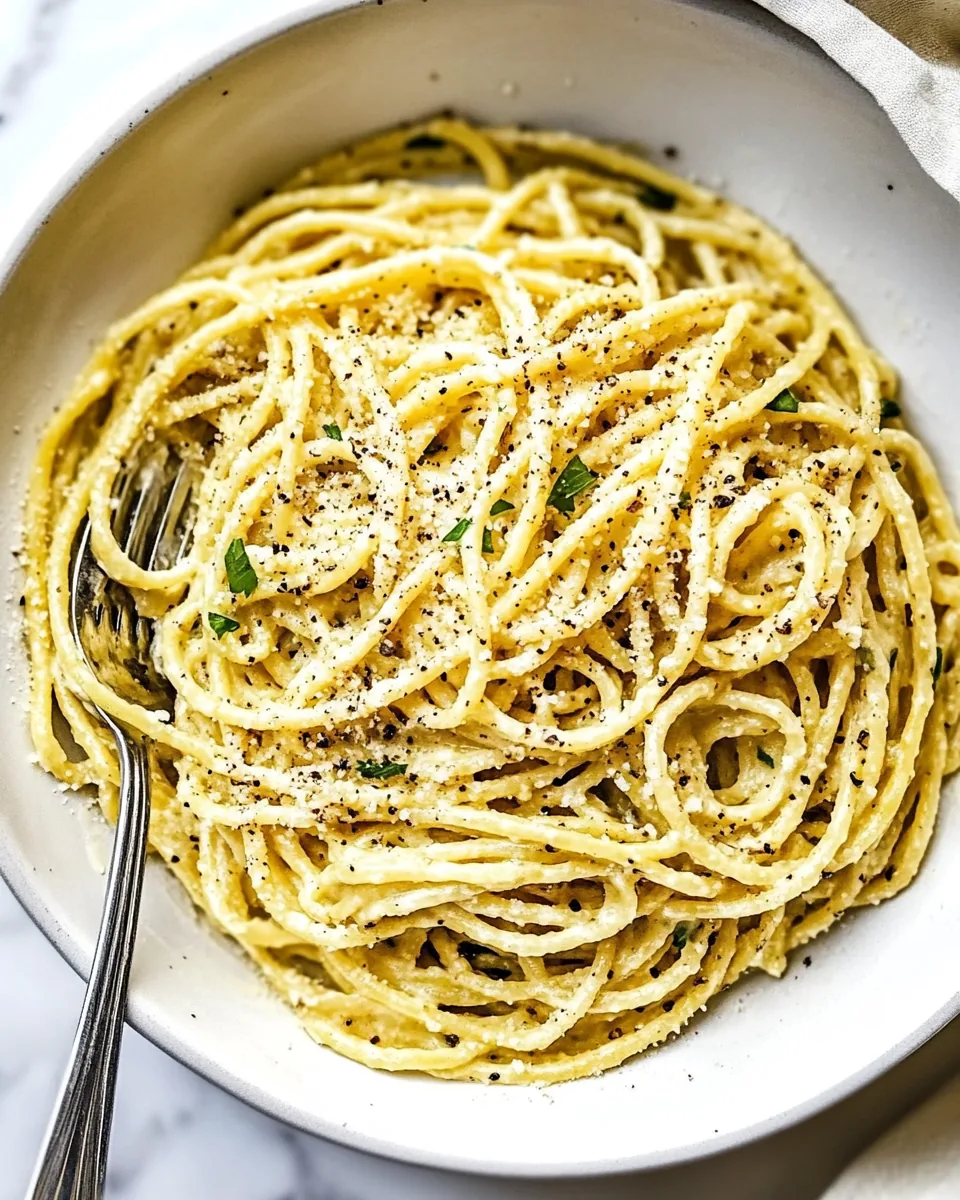
To make your Cacio e Pepe truly unforgettable, here are some tips that will ensure success every time you make it:
- Storage: Store leftovers in an airtight container in the fridge for up to three days. The pasta may absorb some sauce, so you might need to add a splash of water when reheating.
- Freezing: While it’s best enjoyed fresh, you can freeze it for up to a month. Just keep in mind the texture may change slightly once thawed.
- Serving Suggestions: Pair it with a light salad and crusty bread for a complete meal. A simple arugula salad drizzled with lemon vinaigrette complements it perfectly.
- Variations: Feel free to experiment! You can add sautéed asparagus or mushrooms for extra flavor and texture.
- Cheese Options: While traditional Parmesan is a must, you can also consider Romano cheese for a slightly sharper flavor.
Perfect Pairings for Cacio e Pepe
When it comes to serving Cacio e Pepe, there are numerous options that can enhance your dining experience. Here are some ideas to ensure your meal is a hit:
- Light Salads: Serve with a crisp arugula salad tossed with lemon vinaigrette. The acidity balances the richness of the pasta beautifully.
- Fresh Bread: A side of crusty bread is perfect for soaking up any leftover sauce on your plate.
- Wine Pairing: Choose a light white wine, like Sauvignon Blanc, to complement the creamy flavors of the Cacio e Pepe.
- Seasonal Vegetables: Roasted or sautéed seasonal vegetables like asparagus or zucchini make fantastic side dishes.
- Occasions: This dish is ideal for casual family dinners, date nights, or entertaining guests. It’s impressively simple, yet delicious!
- Storage Tips: If you have leftovers, consider storing them in an airtight container in the refrigerator. The dish can be reheated, but you may need to add a splash of pasta water to revive the sauce.
FAQ
Conclusion
In summary, Cacio e Pepe is a beautiful representation of simple ingredients coming together to create something truly special. It’s a dish that not only satisfies your taste buds but also connects you to Italian culinary traditions. I encourage you to give it a try; you won’t be disappointed with this comforting classic!
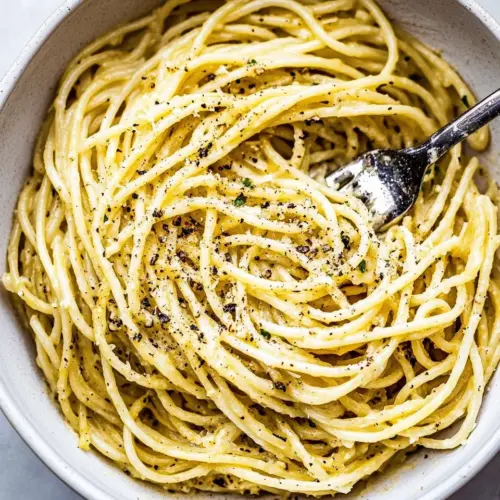
Cacio e Pepe
Equipment
- Skillet
- Frying Pan
- Large Pot
- Grater
- Chef's Knife
- Mixing Bowl
- Wooden Spoon
Ingredients
- 8 ounces bucatini or spaghetti
- 2 teaspoons kosher salt
- 2 tablespoons extra virgin olive oil
- 2 tablespoons butter
- 2 teaspoons fresh, coarsely ground black pepper
- ¾ cup finely grated Parmesan cheese or Romano cheese about 3 ounces
- 1 tablespoon finely chopped parsley if desired
Instructions
- Add 4 cups of water to a large pot or high-sided skillet, and sprinkle in the kosher salt. Bring the water to a rapid boil. Once boiling, add the bucatini or spaghetti and cook for two minutes less than the package instructions direct. This will ensure the noodles are firm and chewy, which is what we want for this dish.
- While the pasta is cooking, heat another large sauté pan over medium heat. Pour in the olive oil, followed by the butter and freshly ground black pepper. Stir gently until the butter melts completely and the pepper releases its delightful aroma.
- When the pasta is about 2 to 3 minutes away from being done cooking, carefully measure out and set aside ½ cup of the pasta water. Gradually add this to the olive oil and pepper mixture in the sauté pan. Be cautious; it will bubble and splatter, creating a beautiful sauce. Then, add another ½ cup of the pasta water, mixing well.
- Use tongs to transfer the pasta directly from the pot to the sauté pan, allowing some of the pasta water to follow. You don't need to completely drain off the water; it's crucial as it helps create that creamy sauce. Continue cooking the pasta in this oil and pasta water combo for an additional 1 to 2 minutes.
- As you cook, toss and stir the pasta to ensure each strand is coated in the rich sauce. If it looks too dry, don’t hesitate to add more of the reserved pasta water, stirring to achieve a thicker sauce that clings to your noodles.
- Once the pasta is cooked al dente, remove the pan from the heat. Sprinkle in half of the Parmesan cheese and toss quickly; remember not to stir vigorously! You want that cheese to melt and incorporate into the sauce without clumping.
- As the cheese melts, continue to add pasta water as needed to create a creamy texture. The sauce should be smooth and lightly coat each noodle, making it utterly delicious.
- Once you're satisfied with the creaminess, taste the dish and adjust the seasoning by adding more freshly ground black pepper if desired. Garnish with chopped parsley for a splash of color.
- Serve your Cacio e Pepe hot, and enjoy every cheesy bite!
Notes
- Storage: Store leftovers in an airtight container in the fridge for up to three days. The pasta may absorb some sauce, so you might need to add a splash of water when reheating.
- Freezing: While it’s best enjoyed fresh, you can freeze it for up to a month. Just keep in mind the texture may change slightly once thawed.
- Serving Suggestions: Pair it with a light salad and crusty bread for a complete meal. A simple arugula salad drizzled with lemon vinaigrette complements it perfectly.
- Variations: Feel free to experiment! You can add sautéed asparagus or mushrooms for extra flavor and texture.
- Cheese Options: While traditional Parmesan is a must, you can also consider Romano cheese for a slightly sharper flavor.