
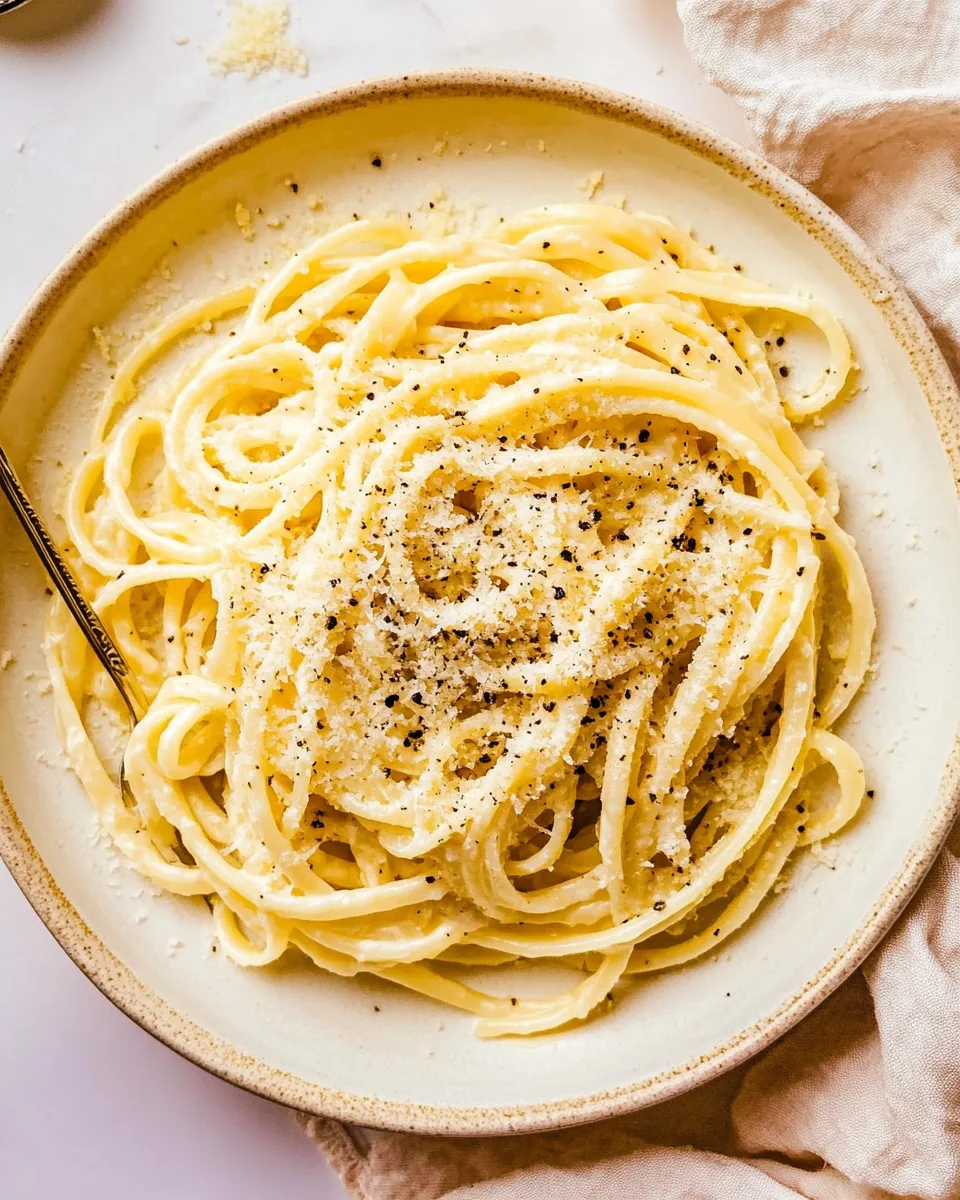
Cacio e Pepe
There’s something undeniably captivating about the simplicity of Cacio e Pepe. As I recall my first attempt at this Italian classic, I remember the aroma of freshly ground black pepper mingling with the rich scent of melted cheese. Picture a cozy evening with the lights dimmed, the table set, and the anticipation of a warm bowl of creamy pasta awaiting you. That first bite, with al dente pasta coated in a luxurious blend of Pecorino Romano and Parmesan, took me straight to the heart of Italy. It’s one of those dishes that makes you appreciate the beauty of minimalism in cooking; with just a handful of ingredients, you can create something so deeply satisfying that it feels like a warm hug. Cooking Cacio e Pepe isn’t just about following a recipe; it’s about embracing the joy of food and the stories that come with it. I remember sharing this dish with friends, everyone savoring the creaminess and the slight kick of pepper, laughing and sharing stories over bowls filled to the brim.
Recipe Snapshot
20 mins
10 mins
10 mins
Medium
560 kcal
23 g
Paleo, Whole30, Vegan
24 g
Skillet, Large Pot, Grater, Wooden Spoon, Mixing Bowl
The Appeal of This Cacio e Pepe
It’s Incredibly Simple
One of the reasons I love Cacio e Pepe is its straightforwardness. With only a few ingredients—bucatini, black pepper, olive oil, and cheese—you can whip up a meal that feels luxurious. It’s a reminder that you don’t need a complex recipe to impress.
Quick to Prepare
This dish is a lifesaver on busy weeknights. It allows you to prepare a delicious meal in under thirty minutes, which is perfect when I’m juggling work and home responsibilities. The beauty lies not just in its quickness but in how it brings everyone together around the table.
Versatile and Adaptable
While Cacio e Pepe is traditionally simple, you can easily make it your own. Whether you prefer to add a touch of garlic or switch up the cheese types, it can be adapted to suit personal preferences. It’s a canvas for creativity while still honoring its roots.
Perfect for Any Occasion
This dish is perfect for a casual dinner or a romantic date night. Its elegance transcends the setting, making it appropriate for any occasion. The first time I served it to friends, they were blown away by how delicious it tasted compared to its simplicity.
Comfort Food at Its Best
Nothing beats the comfort of pasta, and Cacio e Pepe embodies everything that makes pasta so beloved. The creaminess of the cheese clinging to every strand of pasta is enough to make anyone feel warm and cozy inside.
Authentic Italian Experience
Making Cacio e Pepe invites a little bit of Italy into your kitchen. It’s a dish steeped in history and tradition, reminding us of the importance of good-quality ingredients. Each bite transports you to a quaint trattoria, where the flavors are celebrated and cherished.
Ingredients for Cacio e Pepe
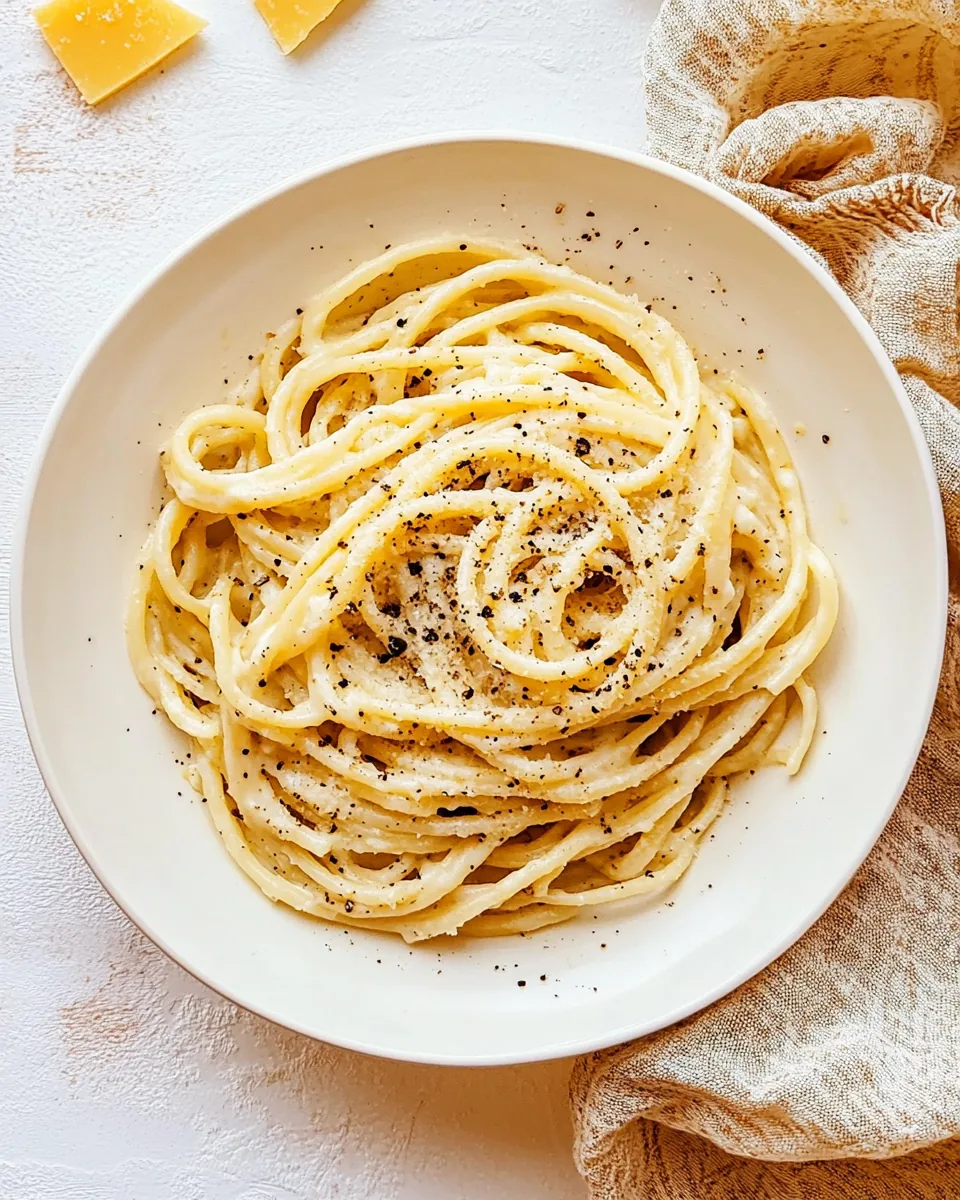
In crafting the perfect bowl of Cacio e Pepe, the ingredients play a crucial role. The harmony of flavors is key, and each ingredient contributes to the overall experience. The star players, bucatini and cheeses, meld beautifully to create a creamy sauce that clings to the pasta, while black pepper adds that essential kick. Let’s dive into these ingredients!
- 8 ounces dry bucatini: This thick, long pasta is essential for Cacio e Pepe. Its hollow center helps trap the sauce, making every bite a flavorful experience.
- Kosher salt: Used to season the pasta water, it ensures the bucatini is flavorful from the very start.
- 2 tablespoons extra virgin olive oil: A high-quality olive oil not only adds richness but also enhances the flavor of the black pepper.
- 1 teaspoon freshly ground black pepper: The key spice in this dish, freshly ground pepper enhances the overall flavor and provides a little heat.
- 1 ½ ounces Pecorino Romano: This sharp, salty cheese is traditional for Cacio e Pepe and gives the dish its signature taste.
- ½ ounce Parmesan: Adds a subtle nuttiness that complements the Pecorino, creating a depth of flavor.
Instructions for Cacio e Pepe
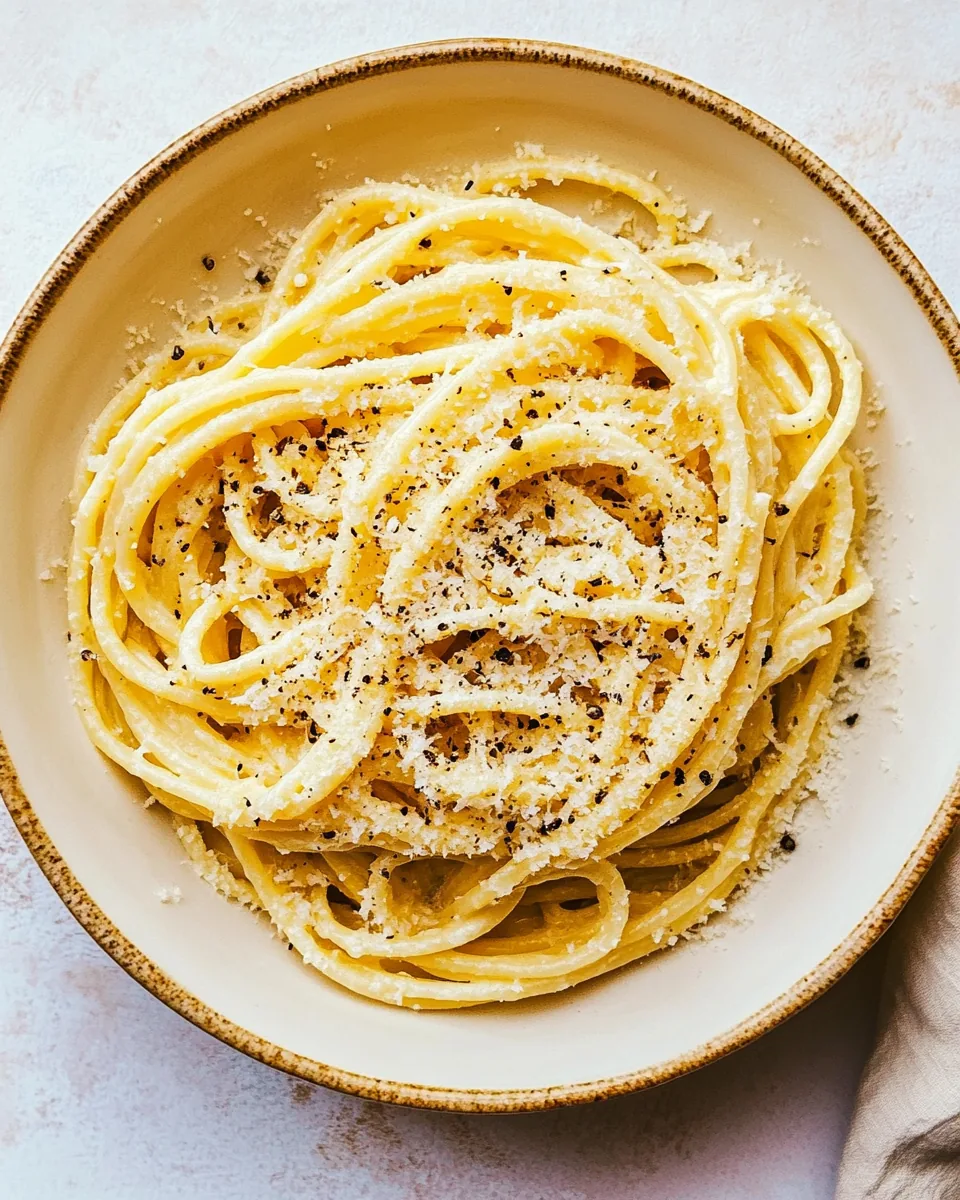
Cooking Cacio e Pepe is a delightful experience that will elevate your kitchen skills. Follow these steps to create a creamy and savory dish that will impress anyone you serve it to.
Start by bringing a large pot of salted water to a boil. Add the bucatini and cook until just al dente, which takes about eight minutes. You’ll want to taste it a minute or two before the timer goes off to ensure it’s cooked to your liking.
While the pasta is cooking, grab a large skillet and warm the olive oil over medium-low heat. Add the black pepper and let it cook until it just starts to sizzle, which should take about one minute. The aroma will fill your kitchen, hinting at the deliciousness to come!
Remove the skillet from the heat to prevent the pepper from burning. One minute before the pasta is done, return the skillet to medium heat to warm it up again.
Once the pasta is cooked, drain it well, reserving about one cup of the starchy pasta water. This starchy liquid is essential for creating the creamy sauce.
Carefully add the drained bucatini to the skillet with the black pepper. Toss for about one minute to coat the pasta in the oil, ensuring every strand is well covered.
Reduce the heat to medium-low and add half a cup of the reserved pasta water. Gradually mix in the cheeses—Pecorino Romano and Parmesan. Keep stirring and tossing with tongs to help the cheese melt and form a creamy sauce.
If the sauce seems too thick, drizzle in more of the starchy pasta water as you stir. The goal is to have a creamy coating over the pasta without any liquid pooling at the bottom.
Season with salt to taste. Remember, Pecorino Romano is already salty, so taste before adding more.
To serve, divide the Cacio e Pepe between two plates. Top with extra Pecorino Romano and a sprinkle of fresh black pepper. Enjoy immediately, savoring every creamy bite!
Things Worth Knowing
- Consistency is key: The goal is a creamy sauce that clings to the pasta. If it’s too watery, add more cheese or pasta water until you reach the desired consistency.
- Use quality ingredients: Since the recipe is simple, using high-quality olive oil and freshly grated cheese makes a noticeable difference in flavor.
- Pasta choice matters: While bucatini is traditional, you can also use other thick pastas like spaghetti or tagliatelle. Just ensure they have a good surface area for sauce adherence.
- Don’t rinse the pasta: Rinsing removes the starch that helps the sauce adhere. Always drain and toss it straight into the sauce for the best results.
Recipe Variations about Cacio e Pepe
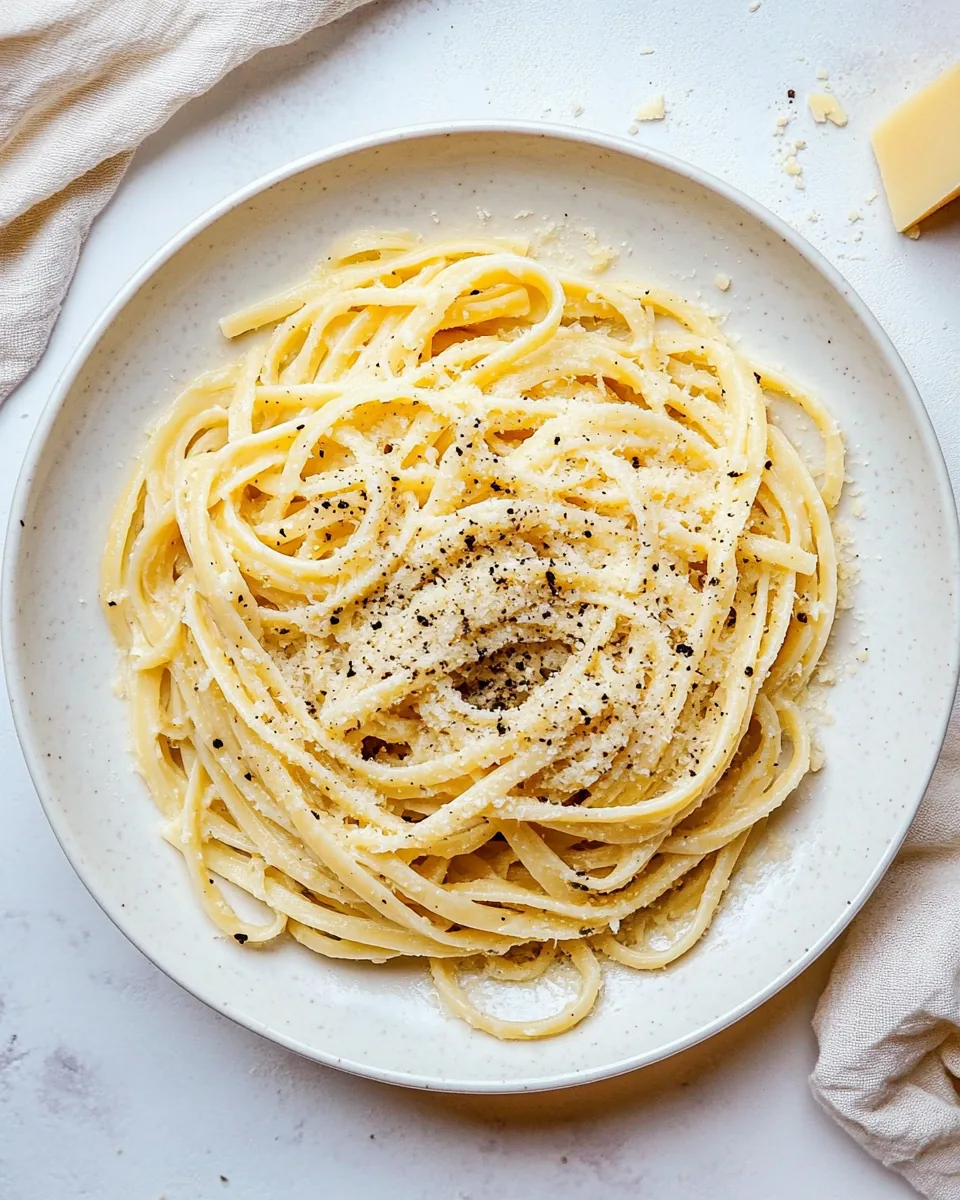
If you’re looking to switch things up while making Cacio e Pepe, there are several variations to explore. Let’s dive into some creative ideas!
- Add vegetables: Incorporating ingredients like arugula or sautéed mushrooms can add extra flavor and nutrition to your dish.
- Try different cheeses: Experiment with combinations of Pecorino Romano and other cheeses like Gruyère or Asiago for a unique twist.
- Incorporate protein: For those who prefer a heartier meal, adding grilled chicken or shrimp can elevate this dish.
- Spice it up: If you enjoy a little heat, consider adding red pepper flakes or a touch of garlic for added depth.
- Make it a bake: Combine the Cacio e Pepe with breadcrumbs and bake for a crispy topping for a different take.
- Herb infusion: Toss in fresh herbs like parsley or basil at the end for a pop of color and freshness.
Side Dish Ideas for Cacio e Pepe
Serving Cacio e Pepe can be a delightful experience. Here are some ideas to complement this creamy pasta dish and make your meal special:
- Garlic bread: A classic companion, crisp garlic bread is perfect for soaking up every last bit of sauce.
- Simple green salad: A fresh, light salad with mixed greens, cucumbers, and a lemon vinaigrette balances the richness of the pasta.
- Seasonal vegetables: Roasted or sautéed seasonal vegetables, like asparagus or zucchini, can add color and nutrition to your meal.
- Caprese salad: The flavors of fresh mozzarella, basil, and tomatoes provide a refreshing taste that pairs beautifully with Cacio e Pepe.
- Wine pairing: If you enjoy wine, opt for a crisp white such as Pinot Grigio to complement the dish without overwhelming it.
- Occasional treats: Consider serving Cacio e Pepe during special occasions like dinner parties, date nights, or family gatherings for a touch of elegance.
FAQ
Conclusion
In conclusion, Cacio e Pepe is truly a dish that celebrates simplicity and flavor. The combination of creamy cheese and zesty black pepper over perfectly cooked pasta is a timeless classic that warms the heart. I encourage you to try making it for yourself; you’ll discover just how easy and rewarding it is to create something so delicious at home. So gather your ingredients, and let’s get cooking!
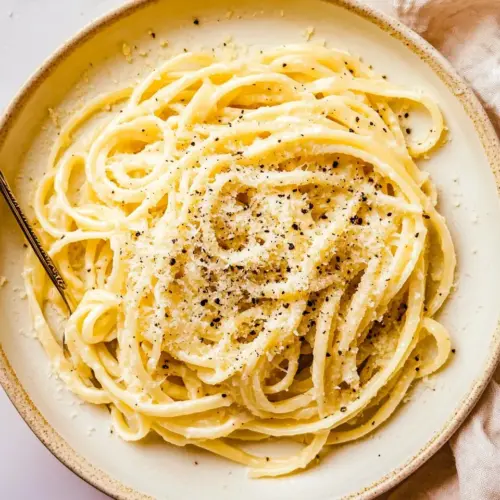
Cacio e Pepe
Equipment
- Skillet
- Large Pot
- Grater
- Wooden Spoon
- Mixing Bowl
Ingredients
- 8 ounces bucatini
- Kosher salt to taste
- 2 tablespoons extra virgin olive oil
- 1 teaspoon freshly ground black pepper plus more to taste (preferably coarsely ground)
- 1.5 ounces Pecorino Romano finely grated
- 0.5 ounces Parmesan finely grated
Instructions
- Start by bringing a large pot of salted water to a boil. Add the bucatini and cook until just al dente, which takes about eight minutes. You’ll want to taste it a minute or two before the timer goes off to ensure it’s cooked to your liking.
- While the pasta is cooking, grab a large skillet and warm the olive oil over medium-low heat. Add the black pepper and let it cook until it just starts to sizzle, which should take about one minute. The aroma will fill your kitchen, hinting at the deliciousness to come!
- Remove the skillet from the heat to prevent the pepper from burning. One minute before the pasta is done, return the skillet to medium heat to warm it up again.
- Once the pasta is cooked, drain it well, reserving about one cup of the starchy pasta water. This starchy liquid is essential for creating the creamy sauce.
- Carefully add the drained bucatini to the skillet with the black pepper. Toss for about one minute to coat the pasta in the oil, ensuring every strand is well covered.
- Reduce the heat to medium-low and add half a cup of the reserved pasta water. Gradually mix in the cheeses—Pecorino Romano and Parmesan. Keep stirring and tossing with tongs to help the cheese melt and form a creamy sauce.
- If the sauce seems too thick, drizzle in more of the starchy pasta water as you stir. The goal is to have a creamy coating over the pasta without any liquid pooling at the bottom.
- Season with salt to taste. Remember, Pecorino Romano is already salty, so taste before adding more.
- To serve, divide the Cacio e Pepe between two plates. Top with extra Pecorino Romano and a sprinkle of fresh black pepper. Enjoy immediately, savoring every creamy bite!